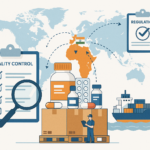


Executive Summary
The global pharmaceutical market is increasingly reliant on imports from India due to its cost-effective manufacturing capabilities and high-quality standards. However, importers often encounter several pitfalls that can lead to compliance issues, financial losses, and reputational damage. This report identifies common mistakes such as inadequate compliance with regulatory standards, insufficient documentation, and poor manufacturer selection. Understanding these challenges is crucial for importers to navigate the complexities of the pharmaceutical supply chain effectively.
Regulatory Compliance Challenges
Importers frequently overlook the stringent regulatory requirements imposed by both Indian authorities and the destination country’s regulatory bodies. Non-compliance can result in shipment delays, fines, or even bans.
Understanding Regulatory Frameworks: Importers must familiarize themselves with the regulatory frameworks of both countries to ensure compliance.
Documentation Requirements: Proper documentation, including certificates of analysis and Good Manufacturing Practice (GMP) certifications, is essential.
Interpretation: Importers need to establish a robust compliance strategy that includes regular updates on regulatory changes and thorough documentation practices.
Manufacturer Selection Pitfalls
Choosing the right manufacturer is critical to ensuring product quality and reliability. Importers often make the mistake of selecting manufacturers based solely on cost, neglecting quality and compliance standards.
Evaluating Manufacturer Credentials: Importers should conduct thorough due diligence on manufacturers, including site visits and audits.
Quality Assurance: Ensuring that manufacturers adhere to international quality standards is vital.
Interpretation: A strategic approach to manufacturer selection can mitigate risks associated with product quality and supply chain disruptions.

Documentation and Logistics Errors
Proper documentation and logistics planning are often underestimated, leading to significant operational challenges.
Logistics Planning: Efficient logistics planning can prevent delays and reduce costs.
Comprehensive Documentation: Ensuring all necessary documents are accurate and complete is crucial for smooth customs clearance.
Interpretation: Streamlined logistics and meticulous documentation are key to successful pharmaceutical imports.
Implications for Stakeholders
For Startups: Startups should invest in compliance training and establish partnerships with reputable manufacturers.
For Investors: Investors need to assess the compliance and operational strategies of pharmaceutical companies before investing.
For Policy Makers / Ecosystem: Policymakers should facilitate better access to regulatory information and support for importers.
Action Points
For Early-Stage Startups: Develop a compliance checklist and engage with regulatory consultants.
For Growth-Stage / Investors: Conduct regular audits and invest in technology for supply chain transparency.

Frequently Asked Questions
1. What are the key compliance requirements for importing medicines from India?
Importers must adhere to both Indian and destination country regulations, including obtaining necessary certifications and maintaining accurate documentation.
2. How can importers ensure they select a reliable manufacturer?
Conducting thorough due diligence, including site visits and audits, is essential to verify a manufacturer’s credentials and quality standards.
3. What documentation is required for pharmaceutical imports?
Essential documents include certificates of analysis, GMP certifications, and import licenses, among others.
4. How can logistics planning impact pharmaceutical imports?
Efficient logistics planning can prevent delays, reduce costs, and ensure timely delivery of pharmaceutical products.