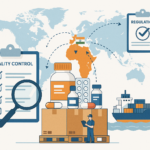


Executive Summary
The Indian pharmaceutical industry is a global leader, known for its robust production capabilities and significant contributions to the global supply of generic drugs. This report identifies the top pharmaceutical companies in India, providing insights into their market positioning, strengths, and strategic importance for B2B buyers. Understanding these companies is crucial for businesses looking to engage in partnerships, procurements, or investments within the pharmaceutical sector. The report highlights key players, their competitive advantages, and the implications for stakeholders in the industry.
Analysis of Leading Pharmaceutical Companies
Market Leaders and Their Strategies
India’s pharmaceutical sector is dominated by several key players, including Sun Pharmaceutical Industries, Dr. Reddy’s Laboratories, and Cipla. These companies have established themselves through a combination of innovation, strategic acquisitions, and a strong focus on research and development.
– Sun Pharmaceutical Industries: Known for its extensive product portfolio and global reach, Sun Pharma has leveraged its R&D capabilities to maintain a competitive edge.
– Dr. Reddy’s Laboratories: With a focus on generic drug production and a strong presence in international markets, Dr. Reddy’s has positioned itself as a leader in cost-effective pharmaceutical solutions.
Interpretation: These companies’ strategies highlight the importance of innovation and global market penetration in maintaining leadership in the pharmaceutical industry.
Emerging Trends and Innovations
The Indian pharmaceutical industry is witnessing several emerging trends, including the adoption of digital technologies, increased focus on biosimilars, and a shift towards sustainable practices.
– Digital Transformation: Companies are increasingly adopting digital tools to enhance supply chain efficiency and improve patient engagement.
– Biosimilars: With the rise in demand for biologics, Indian companies are investing in biosimilar development to capture new market opportunities.
Interpretation: Embracing digital transformation and biosimilars can provide companies with new growth avenues and competitive advantages.

Regulatory Environment and Challenges
Navigating the regulatory landscape is a critical aspect for pharmaceutical companies operating in India. The industry faces challenges related to compliance, intellectual property rights, and pricing regulations.
– Compliance and Quality Standards: Ensuring adherence to international quality standards is essential for maintaining market access.
– Pricing Regulations: Government-imposed price controls can impact profitability and require strategic adjustments.
Interpretation: Understanding and adapting to regulatory requirements is vital for sustaining operations and achieving long-term success in the pharmaceutical sector.

Implications for Stakeholders
For Startups
– Opportunities exist in niche markets and innovative drug delivery systems.
– Collaborations with established players can accelerate growth and market entry.
For Investors
– Investing in companies with strong R&D pipelines and global market presence offers potential for high returns.
– Monitoring regulatory changes is crucial for assessing investment risks.
For Policy Makers / Ecosystem
– Supporting innovation through favorable policies can enhance the industry’s global competitiveness.
– Strengthening intellectual property rights can attract more foreign investments.
Action Points
For Early-Stage Startups
– Focus on developing unique value propositions in underserved therapeutic areas.
– Leverage government incentives for R&D and innovation.
For Growth-Stage / Investors
– Evaluate partnerships with companies that have a strong international presence.
– Diversify investments across different segments of the pharmaceutical value chain.
Frequently Asked Questions
1. What are the key factors driving the growth of the Indian pharmaceutical industry?
The growth is driven by factors such as a large domestic market, cost-effective manufacturing, and a strong export network.
2. How do Indian pharmaceutical companies compete globally?
They compete through cost leadership, a wide range of generic products, and strategic alliances with global firms.
3. What challenges do pharmaceutical companies face in India?
Challenges include regulatory compliance, pricing pressures, and maintaining quality standards.
4. What role does innovation play in the pharmaceutical sector?
Innovation is crucial for developing new drugs, improving existing formulations, and maintaining competitive advantage.
5. How can B2B buyers benefit from engaging with Indian pharmaceutical companies?
B2B buyers can benefit from cost-effective solutions, a diverse product range, and reliable supply chains.