

Executive Summary
The pharmaceutical industry in India is a significant contributor to the global market, with third-party manufacturing playing a crucial role. This guide explores the intricacies of third-party pharmaceutical manufacturing in India, highlighting the process, benefits, required documentation, and criteria for selecting a manufacturing partner. Understanding these elements is vital for companies looking to leverage India’s manufacturing capabilities to enhance their product offerings and market reach.
Understanding the Third-Party Manufacturing Process
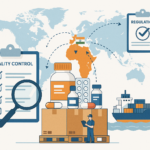
Third-party pharmaceutical manufacturing involves outsourcing the production of pharmaceutical products to a specialized manufacturer. This process allows companies to focus on core competencies such as marketing and distribution while leveraging the expertise and infrastructure of established manufacturers.
– Process Overview: The process begins with selecting a reliable manufacturing partner, followed by contract negotiations, product formulation, and quality assurance checks. The manufacturer then produces the pharmaceuticals under the brand’s label, adhering to regulatory standards.
– Quality Assurance: Ensuring compliance with Good Manufacturing Practices (GMP) is critical. Manufacturers must maintain stringent quality control measures to meet both domestic and international standards.
Strategic Implications: By outsourcing production, companies can reduce capital expenditure, accelerate time-to-market, and focus on strategic growth areas.
Benefits of Third-Party Manufacturing
Third-party manufacturing offers numerous advantages, making it an attractive option for pharmaceutical companies.
– Cost Efficiency: Outsourcing reduces the need for significant capital investment in manufacturing facilities and equipment.
– Scalability: Companies can scale production up or down based on market demand without the constraints of fixed manufacturing capacities.
Strategic Insight: Leveraging third-party manufacturing can enhance operational flexibility and allow companies to respond swiftly to market changes.
Required Documentation for Third-Party Manufacturing
Engaging in third-party manufacturing requires meticulous documentation to ensure compliance and smooth operations.
– Legal Agreements: Contracts outlining the terms of manufacturing, quality standards, and confidentiality agreements are essential.
– Regulatory Compliance: Documentation such as Drug Licenses, GMP certifications, and product approvals must be in place.
Strategic Insight: Proper documentation not only ensures compliance but also builds trust and transparency between partners.
Choosing the Right Manufacturing Partner
Selecting the right partner is crucial for successful third-party manufacturing.
– Reputation and Experience: Evaluate the manufacturer’s track record, expertise, and reputation in the industry.
– Regulatory Compliance: Ensure the partner adheres to all necessary regulatory standards and possesses the required certifications.
Strategic Insight: A well-chosen partner can significantly impact product quality, compliance, and market success.
Implications for Stakeholders
For Startups:
– Third-party manufacturing allows startups to enter the market with lower initial investment and risk.
For Investors:
– Investing in companies utilizing third-party manufacturing can offer growth potential with reduced operational risks.
For Policy Makers / Ecosystem:
– Supporting third-party manufacturing can enhance the pharmaceutical sector’s global competitiveness and innovation.
Action Points
For Early-Stage Startups:
– Conduct thorough due diligence on potential manufacturing partners.
– Focus on building strong relationships with manufacturers to ensure quality and reliability.
For Growth-Stage / Investors:
– Monitor regulatory changes that may impact manufacturing processes.
– Encourage portfolio companies to leverage third-party manufacturing for strategic growth.
Frequently Asked Questions
1. What is third-party pharmaceutical manufacturing?
– It involves outsourcing the production of pharmaceutical products to specialized manufacturers, allowing companies to focus on marketing and distribution.
2. What are the benefits of third-party manufacturing?
– Benefits include cost efficiency, scalability, and the ability to focus on core business areas.
3. What documents are required for third-party manufacturing?
– Essential documents include legal agreements, GMP certifications, and regulatory approvals.
4. How do I choose the right manufacturing partner?
– Consider factors such as the partner’s reputation, experience, and compliance with regulatory standards.
5. What are the strategic advantages of third-party manufacturing?
– It allows companies to reduce capital expenditure, accelerate time-to-market, and enhance operational flexibility.