

Executive Summary
The global pharmaceutical industry is increasingly looking towards India as a key supplier of bulk medicines. This trend is driven by India’s robust manufacturing capabilities, cost-effective production, and compliance with international quality standards. For international importers, sourcing medicines from India offers significant cost savings, access to a wide range of pharmaceutical products, and the assurance of quality. These factors are crucial in meeting the growing global demand for affordable healthcare solutions.
Technical Analysis
India’s Pharmaceutical Manufacturing Capabilities
India is home to a vast network of pharmaceutical manufacturers, many of which are certified by international regulatory bodies such as the US FDA and WHO. This certification ensures that the medicines produced meet stringent quality standards, making them suitable for global markets.
– Cost-Effective Production: India’s lower labor and production costs allow for competitive pricing, making it an attractive option for bulk purchases.
– Diverse Product Range: Indian manufacturers offer a wide array of pharmaceutical products, from generic drugs to complex formulations.
Interpretation:
For importers, this means access to high-quality medicines at lower costs, enabling them to offer competitive pricing in their home markets.
Regulatory Compliance and Quality Assurance
Indian pharmaceutical companies adhere to international regulatory standards, ensuring that their products are safe and effective for global consumption.
– International Certifications: Many Indian companies hold certifications from global regulatory bodies, which facilitates smoother import processes.
– Quality Control Measures: Rigorous quality control processes are in place to maintain the integrity of pharmaceutical products.
Interpretation:
This compliance provides importers with the confidence that the products they are sourcing are of high quality and meet international safety standards.
Logistical and Supply Chain Advantages
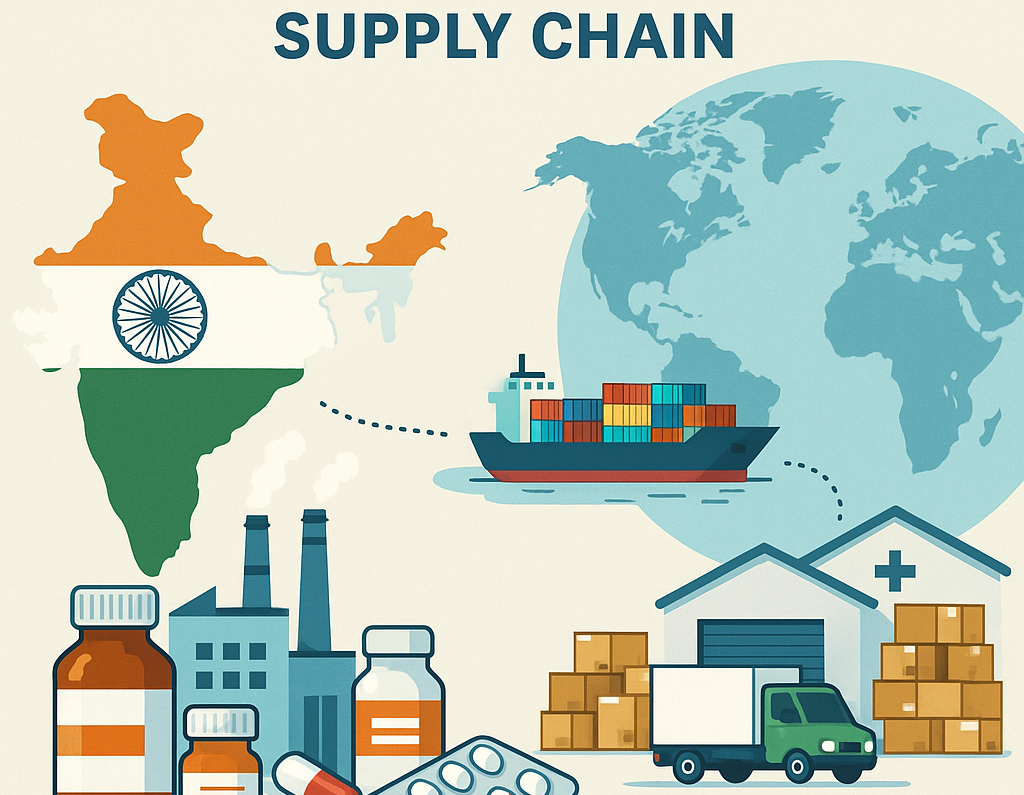
India’s strategic location and well-developed logistics infrastructure support efficient supply chain operations, crucial for timely delivery of bulk medicines.
– Strategic Location: Proximity to major shipping routes enhances the efficiency of global distribution.
– Advanced Logistics: A robust logistics network ensures timely and reliable delivery of pharmaceutical products.
Interpretation:
These logistical advantages reduce lead times and enhance the reliability of supply, which is critical for maintaining inventory levels and meeting market demand.
Implications for Stakeholders
For Startups:
– Access to affordable, high-quality medicines can help startups compete with established players.
– Opportunities to innovate by leveraging diverse product offerings from India.
For Investors:
– Investing in Indian pharmaceutical suppliers can yield high returns due to the growing global demand for affordable medicines.
– Diversification of investment portfolios with exposure to a high-growth industry.
For Policy Makers / Ecosystem:
– Encouraging partnerships with Indian suppliers can enhance healthcare affordability and accessibility.
– Supporting regulatory harmonization to facilitate smoother trade relations.
Action Points
For Early-Stage Startups:
– Establish partnerships with reputable Indian suppliers to secure a reliable supply chain.
– Focus on niche markets where Indian products can offer a competitive edge.
For Growth-Stage / Investors:
– Invest in supply chain optimization to maximize the benefits of sourcing from India.
– Explore joint ventures with Indian manufacturers to expand product offerings.
Frequently Asked Questions
1. What are the main benefits of sourcing medicines from India?
Sourcing from India offers cost savings, access to a wide range of products, and assurance of quality due to international certifications.
2. How do Indian pharmaceutical companies ensure quality?
They adhere to international regulatory standards and implement rigorous quality control measures.
3. What logistical advantages does India offer?
India’s strategic location and advanced logistics infrastructure support efficient global distribution.
4. How can startups benefit from Indian suppliers?
Startups can access affordable, high-quality medicines, enabling them to compete effectively in their markets.
5. What should investors consider when investing in Indian pharmaceuticals?
Investors should consider the growing global demand for affordable medicines and the potential for high returns.