
Introduction
Pharmaceutical R&D is a critical component of the healthcare industry, driving innovation and the development of new treatments. As we approach 2026, the landscape of pharmaceutical research and development is poised to face a unique set of challenges. These challenges are shaped by technological advancements, regulatory changes, and evolving market demands.
Understanding these challenges is crucial for professionals in the pharmaceutical industry to navigate the complexities of drug development and bring effective solutions to market. This blog explores the key challenges anticipated in pharmaceutical R&D in 2026 and offers insights into how industry professionals can address them.
Main Challenges in Pharmaceutical R&D in 2026
The pharmaceutical industry is constantly evolving, and R&D is at the forefront of this evolution. In 2026, several challenges are expected to impact the way pharmaceutical companies conduct research and development.
Technological Advancements
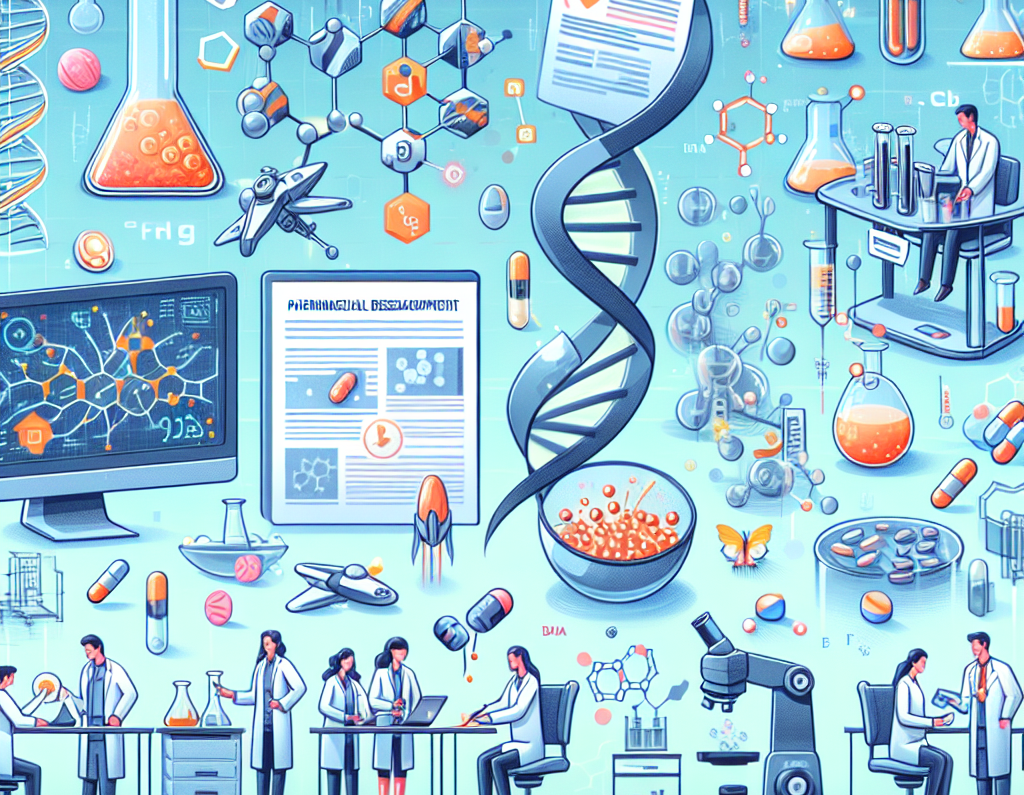
With the rapid pace of technological innovation, pharmaceutical companies must adapt to new tools and methodologies. Technologies such as artificial intelligence, machine learning, and big data analytics are transforming the R&D process, offering new ways to analyze data and predict outcomes. However, integrating these technologies into existing workflows presents a significant challenge.
Regulatory Changes
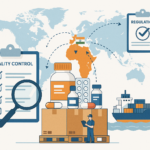
Regulatory environments are becoming increasingly complex, with new guidelines and standards being introduced regularly. Pharmaceutical companies must stay abreast of these changes to ensure compliance and avoid costly delays in drug approval processes.
Market Demands
The demand for personalized medicine is growing, requiring pharmaceutical companies to develop targeted therapies that cater to individual patient needs. This shift necessitates a reevaluation of traditional R&D approaches and the adoption of more flexible and adaptive strategies.
Best Practices and Strategies
- Invest in continuous learning and development to keep up with technological advancements.
- Establish strong regulatory affairs teams to navigate complex compliance landscapes.
- Embrace collaboration with technology companies to leverage new tools and platforms.
Real-World Examples
Several pharmaceutical companies have successfully integrated AI into their R&D processes, resulting in faster drug discovery and development timelines. For instance, Company X utilized machine learning algorithms to identify potential drug candidates, significantly reducing the time required for initial screening.
Challenges and Solutions
One of the primary challenges is the integration of new technologies with legacy systems. Companies can address this by investing in scalable and flexible IT infrastructure that supports seamless integration. Additionally, fostering a culture of innovation and openness to change can help overcome resistance to new methodologies.
Practical Tips for Professionals
- Stay informed about industry trends and emerging technologies.
- Engage in cross-functional collaboration to enhance innovation.
- Prioritize patient-centric approaches in R&D to meet market demands.
Conclusion
The challenges facing pharmaceutical R&D in 2026 are multifaceted, requiring a proactive and adaptive approach from industry professionals. By understanding and addressing these challenges, pharmaceutical companies can continue to innovate and deliver life-saving treatments to patients worldwide. Embracing technological advancements, navigating regulatory complexities, and meeting market demands are essential for success in this dynamic field.
FAQs
What are the main challenges in pharmaceutical R&D in 2026?
The main challenges include adapting to technological advancements, navigating complex regulatory changes, and meeting the growing demand for personalized medicine. These challenges require pharmaceutical companies to innovate and adapt their R&D processes continuously.
How can pharmaceutical companies integrate new technologies into R&D?
Companies can integrate new technologies by investing in scalable IT infrastructure, fostering a culture of innovation, and collaborating with technology partners. Continuous learning and development are also crucial to keep up with technological advancements.
What role does regulatory compliance play in pharmaceutical R&D?
Regulatory compliance is critical in ensuring that new drugs meet safety and efficacy standards. Companies must stay updated with regulatory changes to avoid delays in drug approval processes and ensure successful market entry.
Why is personalized medicine important in pharmaceutical R&D?
Personalized medicine allows for the development of targeted therapies that cater to individual patient needs, improving treatment outcomes. This approach requires a shift in traditional R&D strategies to focus on patient-centric solutions.
What strategies can help overcome challenges in pharmaceutical R&D?
Strategies include investing in technology, building strong regulatory affairs teams, and fostering cross-functional collaboration. Emphasizing patient-centric approaches and staying informed about industry trends are also essential for overcoming challenges.