


Executive Summary
The landscape of pharmaceutical procurement in hospitals and healthcare organizations is evolving rapidly due to increasing demands for cost efficiency, quality assurance, and regulatory compliance. This report explores the best practices in pharmaceutical procurement, focusing on strategic procurement strategies and supplier evaluation. These practices are crucial for ensuring the availability of essential medicines, optimizing costs, and maintaining high standards of patient care. The implications of these practices extend to operational efficiency, financial sustainability, and improved patient outcomes.
Strategic Procurement in Healthcare
Effective procurement strategies are vital for hospitals to manage costs and ensure the availability of necessary pharmaceuticals. Key strategies include:
-Centralized Procurement Systems: Implementing centralized systems can streamline purchasing processes, reduce redundancies, and leverage bulk purchasing for cost savings.
-Collaborative Purchasing Agreements: Engaging in group purchasing organizations (GPOs) allows hospitals to benefit from collective bargaining power, leading to better pricing and terms.
Interpretation: Centralized and collaborative procurement strategies enhance operational efficiency and cost-effectiveness, enabling healthcare organizations to allocate resources more effectively.
Supplier Evaluation and Management
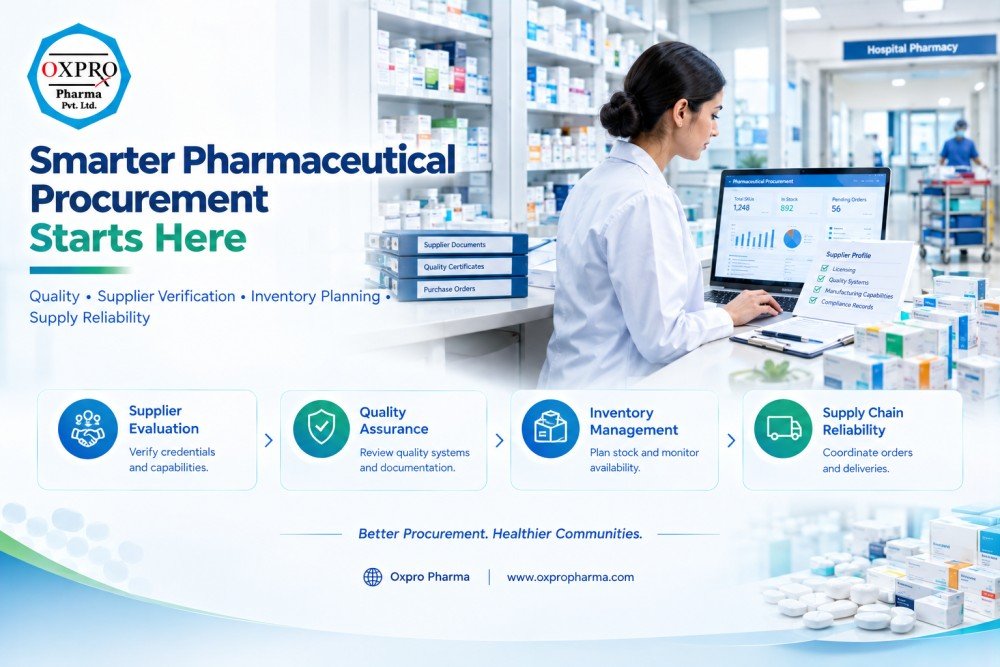
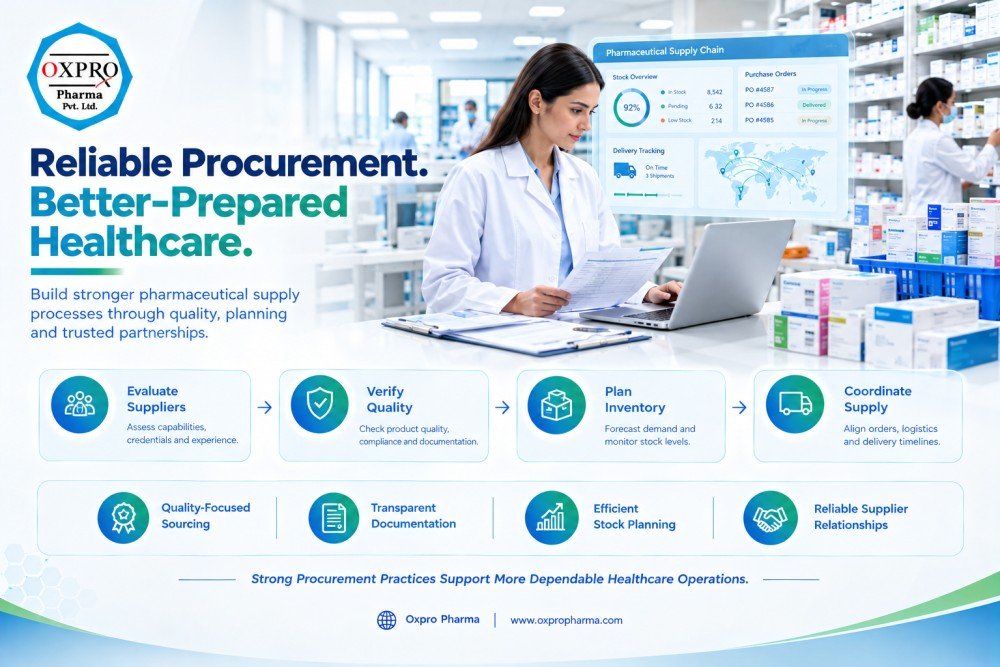
Evaluating and managing suppliers is critical to maintaining a reliable supply chain. Important considerations include:
-Supplier Performance Metrics: Establishing clear metrics for evaluating supplier performance ensures accountability and continuous improvement.
-Risk Management: Identifying and mitigating risks associated with supplier reliability and product quality is essential for maintaining supply chain integrity.
Interpretation: Robust supplier evaluation frameworks help healthcare organizations mitigate risks and ensure a consistent supply of high-quality pharmaceuticals.
Regulatory Compliance and Ethical Considerations
Compliance with regulatory standards and ethical procurement practices is non-negotiable in healthcare procurement. Key aspects include:
-Adherence to Regulatory Standards: Ensuring compliance with local and international pharmaceutical regulations to avoid legal repercussions and ensure patient safety.
-Ethical Sourcing: Prioritizing suppliers who adhere to ethical practices, including fair labor conditions and environmental sustainability.
Interpretation: Compliance and ethical sourcing are foundational to maintaining trust and integrity in healthcare procurement processes.
Implications for Stakeholders
-For Startups: Opportunities exist in developing innovative procurement solutions that enhance efficiency and transparency.
-For Investors: Investing in technologies that support procurement optimization can yield significant returns.
-For Policy Makers / Ecosystem: Encouraging policies that support ethical sourcing and compliance can strengthen the healthcare supply chain.
Action Points
-For Early-Stage Startups: Focus on developing technologies that facilitate real-time supplier evaluation and risk management.
-For Growth-Stage / Investors: Invest in scalable procurement platforms that integrate with existing hospital systems.
Frequently Asked Questions
1. What are the key benefits of centralized procurement in hospitals?
Centralized procurement reduces costs through bulk purchasing, streamlines processes, and improves inventory management.
2. How can hospitals ensure supplier reliability?
By establishing performance metrics and conducting regular audits, hospitals can ensure suppliers meet quality and reliability standards.
3. Why is regulatory compliance important in pharmaceutical procurement?
Compliance ensures patient safety, avoids legal issues, and maintains the hospital’s reputation.
4. What role do GPOs play in hospital procurement?
GPOs leverage collective bargaining power to secure better pricing and terms for member hospitals.
5. How can ethical sourcing impact hospital procurement?
Ethical sourcing enhances the hospital’s reputation and ensures compliance with social and environmental standards.