
Executive Summary
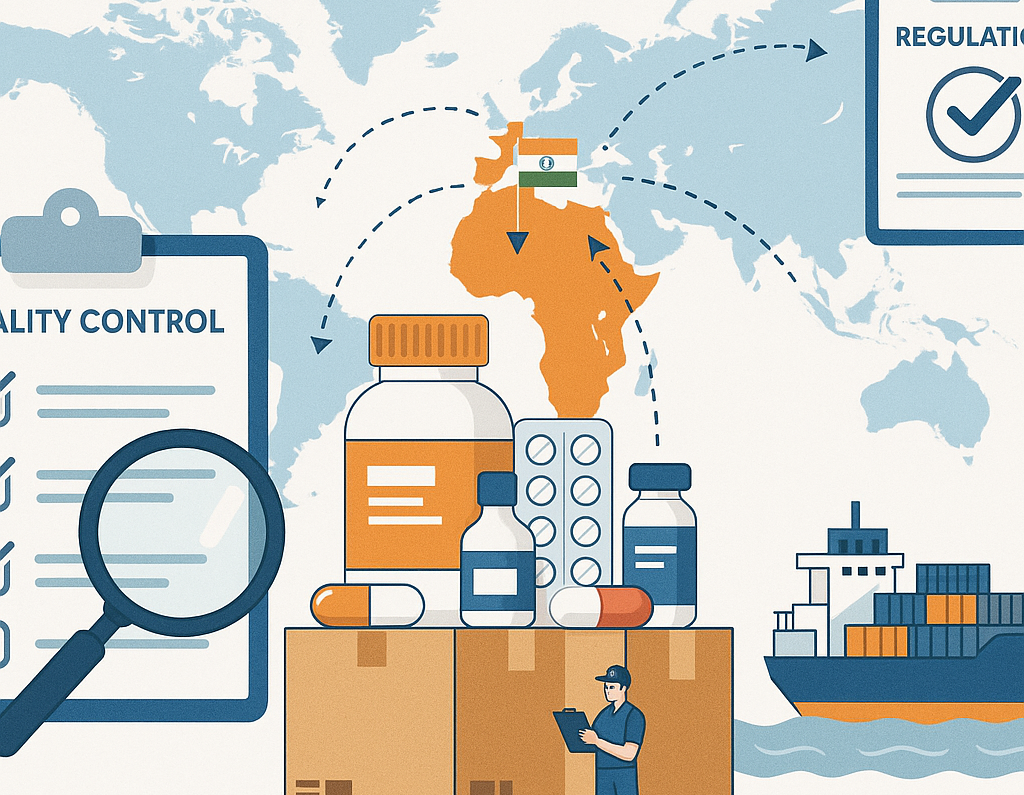
The global pharmaceutical market is increasingly looking towards India as a key supplier due to its cost-effective production and high-quality standards. Importing medicines from India involves navigating complex regulations, ensuring proper documentation, and maintaining stringent quality checks. This report outlines the critical steps and considerations for businesses aiming to import pharmaceuticals from India, highlighting the importance of compliance with international standards and efficient logistics management.
Technical Analysis
Understanding Import Regulations
Importing medicines from India requires adherence to both Indian export regulations and the import regulations of the destination country. Key regulations include obtaining necessary licenses, ensuring compliance with the Drug Controller General of India (DCGI), and understanding the specific import requirements of the target market.
– Insight: Familiarity with the regulatory landscape is crucial for avoiding legal pitfalls and ensuring smooth operations.
– Insight: Engaging with regulatory experts can facilitate compliance and expedite the import process.
Interpretation:
Strategically, businesses must prioritize regulatory compliance to mitigate risks and ensure uninterrupted supply chains.
Documentation and Licensing
Proper documentation is essential for importing medicines. This includes obtaining an import license, ensuring all pharmaceutical products are registered, and maintaining accurate records of transactions and shipments.
– Real point: Importers must secure an Importer Exporter Code (IEC) from the Directorate General of Foreign Trade (DGFT) in India.
– Real point: Documentation must align with both Indian and international pharmaceutical standards.
Interpretation:
Efficient documentation processes enhance transparency and accountability, reducing the likelihood of delays and legal issues.
Shipping and Logistics
Shipping pharmaceuticals requires careful planning to maintain product integrity. This involves selecting reliable logistics partners, ensuring temperature-controlled shipping, and understanding customs procedures.
– Real point: Choosing logistics providers with expertise in pharmaceutical shipping can prevent product degradation.
– Real point: Understanding customs clearance processes in both India and the destination country is vital for timely delivery.
Interpretation:
Effective logistics management is critical for maintaining product quality and meeting market demands promptly.
Quality Checks and Assurance
Quality assurance is paramount in pharmaceutical imports. Importers must ensure that products meet international quality standards and are free from contamination.
– Real point: Implementing rigorous quality checks at every stage of the supply chain is essential.
– Real point: Collaborating with certified laboratories for testing can enhance credibility and compliance.
Interpretation:
Maintaining high-quality standards not only ensures compliance but also builds trust with consumers and partners.
Implications for Stakeholders
For Startups
– Startups must invest in understanding regulatory requirements and building relationships with reliable suppliers.
– Establishing a robust documentation and quality assurance framework is essential for long-term success.
For Investors
– Investors should evaluate the regulatory compliance and quality assurance practices of potential pharmaceutical import ventures.
– Investing in companies with strong logistics and supply chain management capabilities can yield significant returns.
For Policy Makers / Ecosystem
– Policymakers should facilitate smoother import processes by streamlining regulations and providing clear guidelines.
– Encouraging transparency and collaboration between regulatory bodies and importers can enhance the overall ecosystem.
Action Points
For Early-Stage Startups
– Conduct thorough market research to identify potential suppliers and understand regulatory landscapes.
– Develop a comprehensive import strategy that includes risk management and compliance measures.
For Growth-Stage / Investors
– Focus on scaling operations by optimizing logistics and expanding supplier networks.
– Invest in technology solutions that enhance supply chain transparency and efficiency.

Frequently Asked Questions
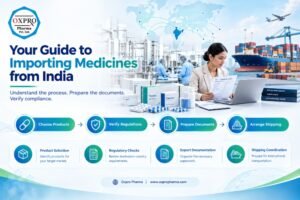
1. What are the initial steps to start importing medicines from India?
– Begin by researching the regulatory requirements of both India and your target market. Obtain necessary licenses and establish relationships with reliable suppliers.
2. How can I ensure the quality of medicines imported from India?
– Implement rigorous quality checks and collaborate with certified laboratories for testing. Ensure compliance with international quality standards.
3. What documentation is required for importing pharmaceuticals?
– Essential documents include an Importer Exporter Code (IEC), product registration certificates, and detailed shipment records.
4. How do I choose a logistics partner for pharmaceutical imports?
– Select partners with expertise in temperature-controlled shipping and a proven track record in handling pharmaceuticals.
5. What are the common challenges faced in importing medicines from India?
– Challenges include navigating complex regulations, ensuring timely customs clearance, and maintaining product quality during transit.