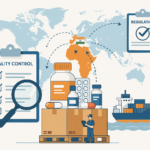

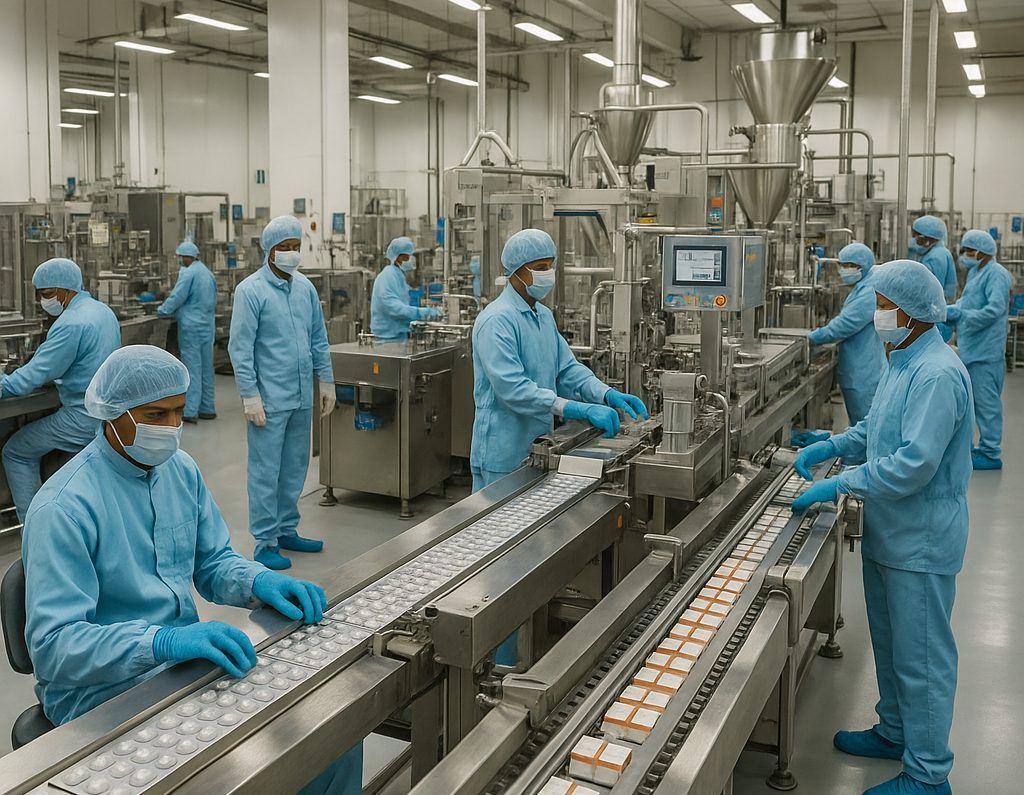
India has emerged as a global leader in the production of generic medicines, a position bolstered by its large-scale manufacturing capabilities, cost-effective production, and adherence to international quality standards. This dominance is crucial as it ensures the availability of affordable medication worldwide, particularly in developing countries. The implications of India’s role in the generic medicine market are significant, affecting global healthcare costs and accessibility.
India’s pharmaceutical industry is one of the largest in the world, with a market size that continues to expand. The country is home to numerous generic medicine manufacturers who produce a wide range of drugs at competitive prices. This affordability is a key factor in India’s ability to supply medicines to over 200 countries.
– Market Size: The Indian pharmaceutical market is valued at approximately $42 billion, with generics accounting for a substantial portion.
– Affordability: Indian manufacturers leverage economies of scale and low production costs to offer medicines at prices significantly lower than those in Western markets.
Interpretation: India’s market size and affordability make it an indispensable player in the global pharmaceutical landscape, providing essential medicines to both developed and developing nations.
Indian generic medicines are known for their quality, meeting stringent international standards set by regulatory bodies such as the US FDA and WHO. This compliance ensures that Indian generics are trusted worldwide.
– Quality Assurance: Indian manufacturers adhere to Good Manufacturing Practices (GMP), ensuring high-quality production.
– Regulatory Approvals: A significant number of Indian pharmaceutical companies have received approvals from international regulatory agencies, enhancing their credibility.
Interpretation: The adherence to quality standards not only boosts India’s reputation but also ensures the sustainability of its exports in competitive markets.
India’s pharmaceutical exports are a testament to its global influence. The country is the largest provider of generic medicines globally, with exports reaching over $24 billion annually.
– Export Growth: The export of generic medicines from India has seen consistent growth, driven by demand in markets like the US, Europe, and Africa.
– Strategic Partnerships: Indian companies often engage in strategic partnerships and collaborations to expand their global footprint.
Interpretation: The robust export dynamics highlight India’s strategic importance in the global supply chain of pharmaceuticals, ensuring the availability of affordable medicines worldwide.
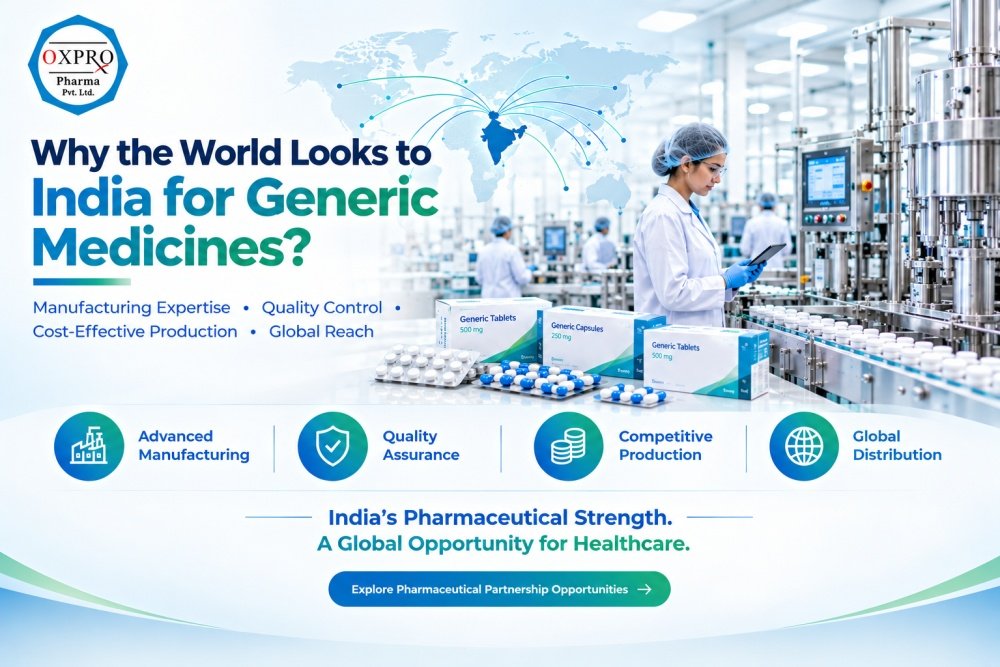
For Startups: The thriving generic medicine market in India presents numerous opportunities for startups to innovate and capture niche segments.
For Investors: The consistent growth and global demand for Indian generics make the pharmaceutical sector an attractive investment opportunity.
For Policy Makers / Ecosystem: Ensuring continued support for the pharmaceutical industry through favorable policies will sustain India’s leadership in the global market.
For Early-Stage Startups: Focus on niche therapeutic areas and invest in R&D to develop innovative generic solutions.
For Growth-Stage / Investors: Consider strategic investments in companies with strong export capabilities and regulatory approvals.
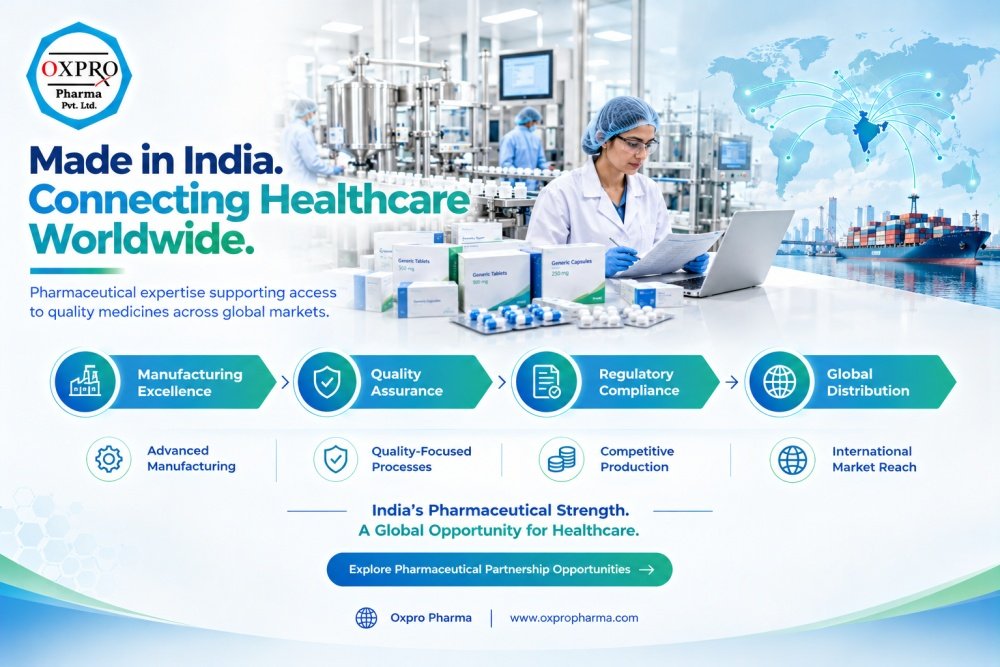
Frequently Asked Questions
1. Why is India a leader in generic medicine production?
India offers cost-effective manufacturing, a skilled workforce, and compliance with international quality standards, making it a leader in generic medicine production.
2. How does India ensure the quality of its generic medicines?
Indian manufacturers adhere to Good Manufacturing Practices and obtain approvals from international regulatory bodies like the US FDA.
3. What are the main markets for Indian generic medicines?
The primary markets include the United States, Europe, and Africa, where there is a high demand for affordable medication.
4. What challenges does the Indian pharmaceutical industry face?
Challenges include regulatory hurdles, competition from other low-cost producers, and the need for continuous innovation.
5. How can startups benefit from India’s generic medicine market?
Startups can capitalize on the growing demand for generics by focusing on innovation and strategic partnerships.
This report is intended for informational purposes only and should not be construed as investment or medical advice. The data presented is based on current market trends and regulatory environments, which are subject to change.