


Executive Summary
The manufacturing of psychiatric medicines in India is governed by stringent quality standards to ensure safety and efficacy. This report delves into the regulatory framework, focusing on WHO-GMP guidelines and quality control processes that manufacturers must adhere to. Understanding these standards is crucial for stakeholders, including manufacturers, investors, and policymakers, as it impacts product quality, market access, and compliance with international norms.
Regulatory Framework and WHO-GMP Compliance
India’s pharmaceutical industry, particularly in psychiatric medicines, is subject to rigorous regulations. The WHO-GMP (World Health Organization – Good Manufacturing Practices) guidelines are pivotal in ensuring that products are consistently produced and controlled according to quality standards.
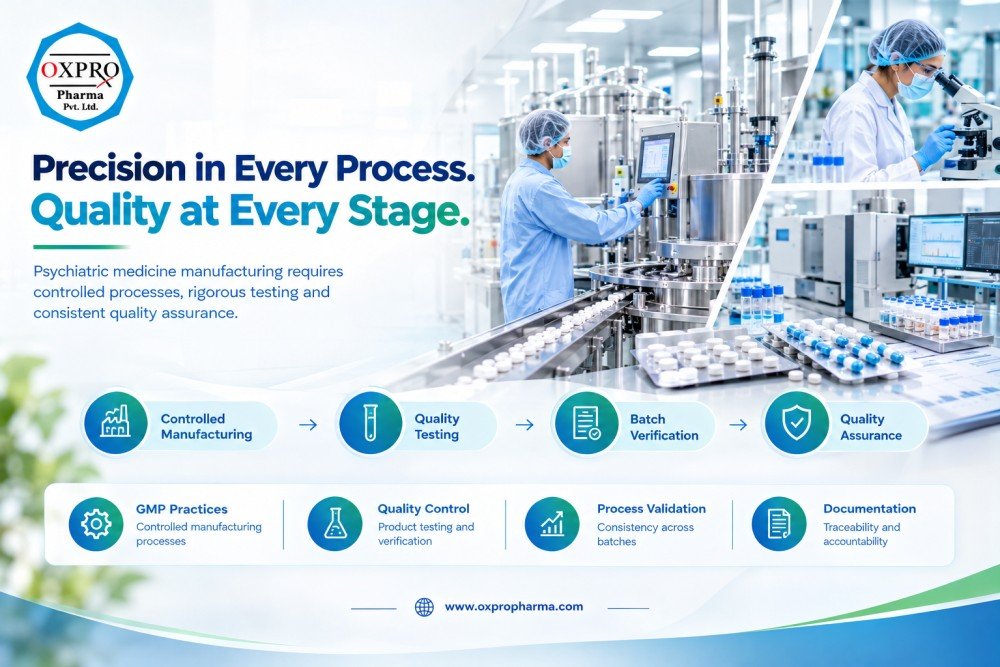
-Manufacturing Standards: These include specifications for production processes, equipment, and facilities. Adherence to these standards ensures that medicines are safe for consumption and meet therapeutic needs.
-Quality Contro: This involves systematic measures to test and verify the quality of medicines at various stages of production.
Interpretation: Compliance with WHO-GMP is not just a regulatory requirement but a strategic advantage that enhances the credibility and marketability of Indian pharmaceutical products globally.
Quality Control Measures in Psychiatric Medicine Manufacturing
Quality control is a critical component of pharmaceutical manufacturing, ensuring that each batch of medicine meets predefined quality criteria.
-Testing Protocols: Rigorous testing is conducted to check for purity, potency, and safety. This includes chemical, microbiological, and physical testing.
-Documentation and Traceability: Comprehensive documentation practices are essential for traceability and accountability in the manufacturing process.
Interpretation: Robust quality control measures are essential for maintaining the integrity of psychiatric medicines, thereby safeguarding public health and enhancing trust in Indian pharmaceuticals.

Challenges and Opportunities in the Indian Market
The Indian pharmaceutical sector faces several challenges, including regulatory compliance, competition, and market dynamics. However, there are significant opportunities for growth and innovation.
-Regulatory Challenges: Navigating the complex regulatory landscape requires continuous updates and adaptations to international standards.
-Market Opportunities: With increasing demand for psychiatric medicines, there is potential for expansion and innovation in drug formulations and delivery systems.
Interpretation: While challenges exist, the Indian market offers substantial opportunities for growth, particularly for companies that prioritize quality and compliance.
Implications for Stakeholders
For Startups: Startups must focus on building robust quality management systems to ensure compliance and competitiveness.
For Investors: Investing in companies with strong compliance records and innovative capabilities can yield significant returns.
For Policymakers: There is a need to streamline regulatory processes to facilitate easier compliance and foster innovation.
Action Points
For Early-Stage Startups*: Develop a comprehensive understanding of WHO-GMP guidelines and invest in quality control infrastructure.
For Growth-Stage Companies/Investors: Focus on scaling operations while maintaining compliance and exploring new market opportunities.
Frequently Asked Questions
1. What are the key components of WHO-GMP compliance?
WHO-GMP compliance involves adherence to guidelines that ensure medicines are consistently produced and controlled according to quality standards.
2. Why is quality control crucial in psychiatric medicine manufacturing?
Quality control ensures that medicines are safe, effective, and meet regulatory standards, which is vital for patient safety and market credibility.
3. What challenges do Indian pharmaceutical manufacturers face?
Key challenges include regulatory compliance, maintaining quality standards, and competition in the global market.
4. How can startups in the pharmaceutical sector ensure compliance?
Startups should invest in quality management systems and stay updated with regulatory changes to ensure compliance.
5. What opportunities exist for investors in the Indian pharmaceutical market?
Investors can explore opportunities in companies that focus on innovation, quality, and compliance, which are poised for growth.