
Executive Summary
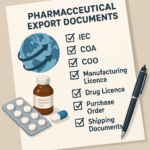
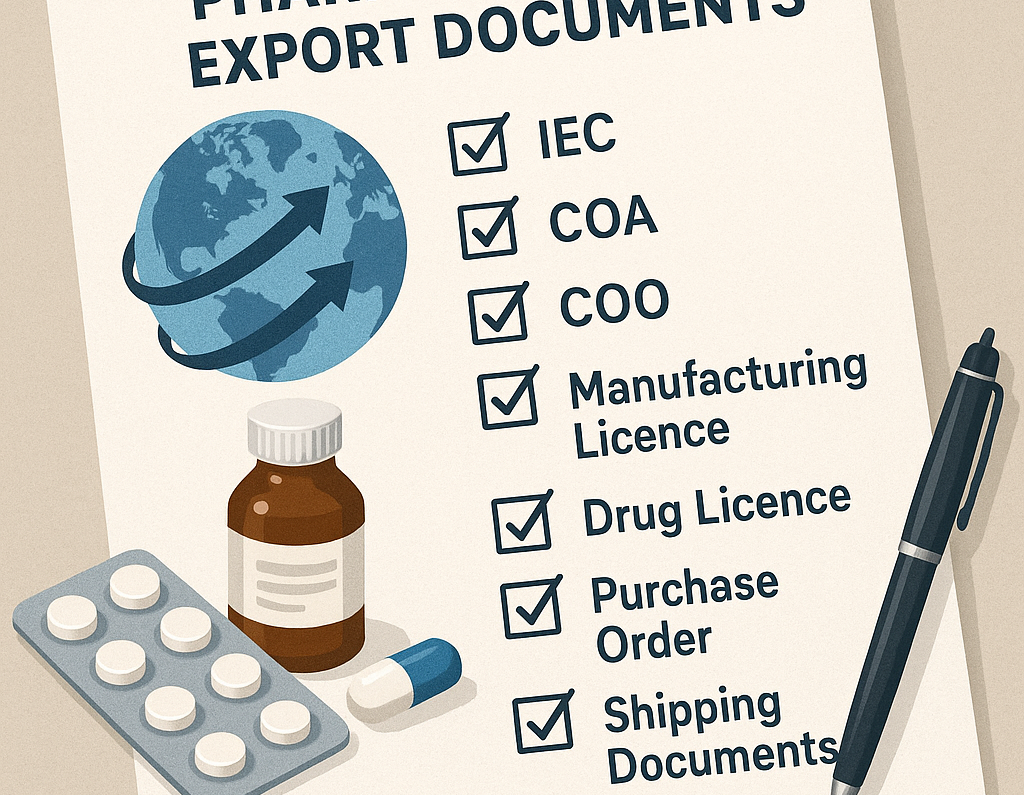
The global pharmaceutical industry is heavily regulated, and exporting pharmaceutical products requires meticulous documentation to ensure compliance with international standards. This report outlines the essential documents needed for pharma exports, focusing on the Importer Exporter Code (IEC), Certificate of Analysis (COA), Certificate of Origin (COO), and shipping documents. Understanding these requirements is crucial for international buyers to facilitate smooth transactions and avoid legal complications. The implications of non-compliance can lead to shipment delays, financial losses, and reputational damage.
Technical Analysis
Key Documentation for Pharma Exports
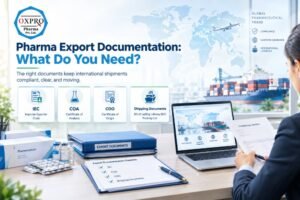
1. Importer Exporter Code (IEC): This is a mandatory identification number for any business involved in import and export in many countries. It is issued by the relevant government authority and is essential for customs clearance.
2. Certificate of Analysis (COA): This document provides detailed information about the quality and composition of the pharmaceutical product. It is crucial for verifying that the product meets the required standards and specifications.
3. Certificate of Origin (COO): This certifies the country where the goods were manufactured. It is often required by customs authorities to determine the tariffs applicable to the goods.
4. Shipping Documents: These include the Bill of Lading, Airway Bill, and Packing List, which are necessary for the transportation and delivery of goods.
Interpretation:
Understanding and preparing these documents in advance can significantly streamline the export process, reduce the risk of non-compliance, and ensure timely delivery of pharmaceutical products.
Compliance and Regulatory Considerations
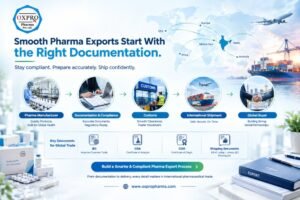
– Regulatory Compliance: Adhering to the regulations of both the exporting and importing countries is critical. This includes compliance with Good Manufacturing Practices (GMP) and other relevant standards.
– Documentation Accuracy: Ensuring that all documents are accurate and complete is essential to avoid delays and penalties.
Interpretation:
Compliance with international regulations not only facilitates smooth trade but also enhances the credibility and reliability of the exporting company.
Logistics and Shipping Considerations
– Efficient Logistics Management: Proper coordination with logistics partners is necessary to ensure that all shipping documents are in order and that the goods are transported efficiently.
– Risk Management: Identifying potential risks in the supply chain and having contingency plans in place can mitigate disruptions.
Interpretation:
Effective logistics management and risk mitigation strategies are vital for maintaining the integrity of the supply chain and ensuring customer satisfaction.
Implications for Stakeholders
For Startups
– Understanding the documentation requirements can help startups avoid common pitfalls and establish themselves in the international market.
– Proper documentation can enhance credibility and open up new business opportunities.
For Investors
– Investors should ensure that the companies they invest in have robust compliance and documentation processes to mitigate risks.
– Proper documentation can be a key factor in assessing the viability and sustainability of a business.
For Policy Makers / Ecosystem
– Policymakers should provide clear guidelines and support to businesses to facilitate compliance with international standards.
– Streamlining documentation processes can enhance the competitiveness of the pharmaceutical industry.
Action Points
For Early-Stage Startups
– Develop a comprehensive understanding of the required export documents.
– Establish a compliance team to oversee documentation and regulatory requirements.
For Growth-Stage / Investors
– Invest in technology solutions to automate and streamline documentation processes.
– Conduct regular audits to ensure ongoing compliance with international standards.
Frequently Asked Questions
1. What is the importance of the Importer Exporter Code (IEC)?
The IEC is crucial for customs clearance and is a mandatory requirement for businesses involved in international trade.
2. Why is the Certificate of Analysis (COA) necessary?
The COA ensures that the pharmaceutical product meets the required quality standards and specifications.
3. How does the Certificate of Origin (COO) affect tariffs?
The COO helps customs authorities determine the applicable tariffs based on the country of manufacture.
4. What are the key shipping documents required for pharma exports?
Essential shipping documents include the Bill of Lading, Airway Bill, and Packing List.
5. How can startups ensure compliance with international regulations?
Startups should establish a compliance team and stay informed about the latest regulatory requirements.