
Executive Summary
Private label pharmaceutical manufacturing offers a strategic avenue for growing brands to expand their product lines without the need for extensive in-house production capabilities. This approach allows brands to leverage the expertise and infrastructure of established manufacturers, thereby reducing time-to-market and capital investment. The significance of this model lies in its ability to provide flexibility in branding and packaging, meet minimum order quantities (MOQ), and explore export opportunities. For emerging brands, this can mean accelerated growth and enhanced market presence.
Technical Analysis
Understanding Private Label Pharmaceutical Manufacturing
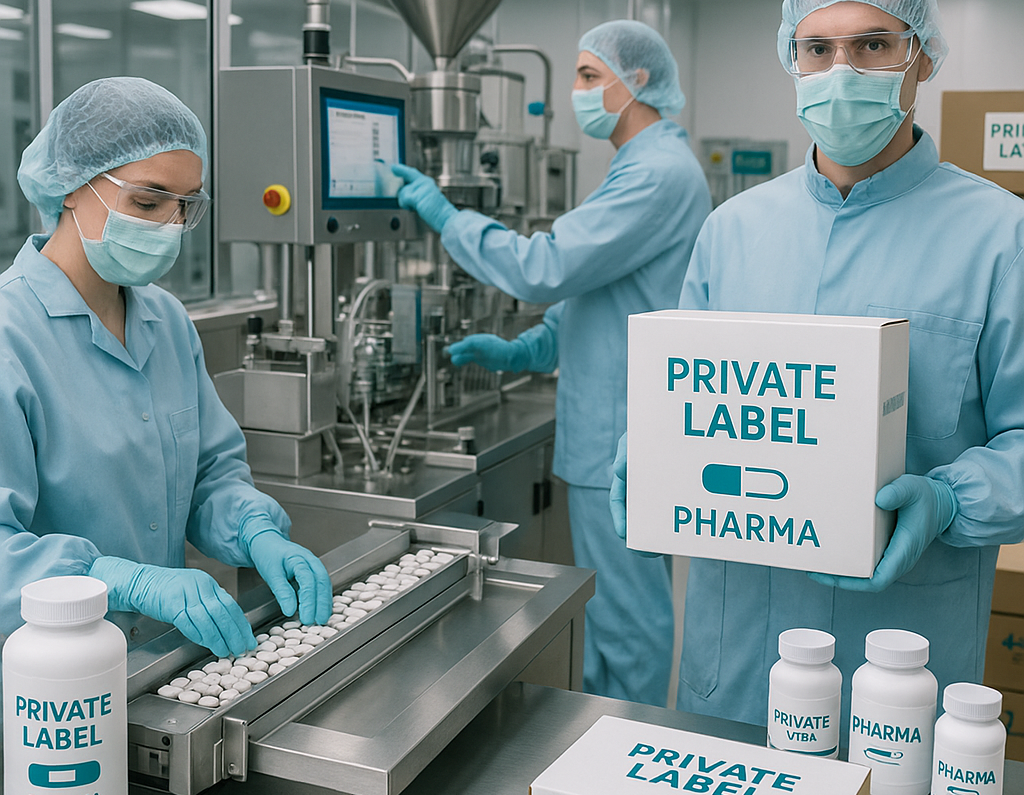
Private label pharmaceutical manufacturing involves a third-party company producing goods that are branded and sold by another company. This model is particularly beneficial for brands looking to enter the pharmaceutical market without investing in manufacturing facilities.
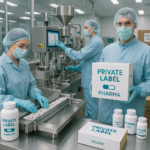
– Branding and Packaging: Private label manufacturers offer customizable branding and packaging solutions, allowing brands to maintain their unique identity while ensuring compliance with regulatory standards.
– Minimum Order Quantities (MOQ): Manufacturers often provide flexible MOQ options, enabling brands to test new products in the market without committing to large volumes.
Interpretation: Strategically, this model allows brands to focus on marketing and distribution while leveraging the manufacturing expertise of their partners.
Export Opportunities in Private Label Manufacturing
The global reach of private label manufacturing opens up significant export opportunities for brands. By partnering with manufacturers who have international certifications, brands can access new markets with ease.
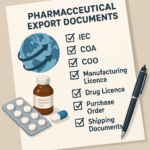
– Regulatory Compliance: Manufacturers with international certifications ensure that products meet the regulatory requirements of different countries, facilitating smoother market entry.
– Market Expansion: Brands can expand their geographical footprint without the complexities of setting up local manufacturing units.
Interpretation: This approach not only diversifies revenue streams but also mitigates risks associated with single-market dependency.
Cost Efficiency and Scalability
Private label manufacturing offers cost efficiencies that are crucial for growing brands. By outsourcing production, brands can scale operations without the burden of capital expenditure.
– Reduced Capital Investment: Brands save on the costs associated with setting up and maintaining manufacturing facilities.
– Scalability: As demand grows, brands can scale production quickly by leveraging the capacity of their manufacturing partners.
Interpretation: This model supports sustainable growth by aligning production capabilities with market demand.
Implications for Stakeholders
For Startups
– Access to high-quality products without the need for manufacturing infrastructure.
– Ability to focus on brand development and customer engagement.
For Investors
– Lower risk investment due to reduced capital requirements.
– Potential for high returns through market expansion and brand growth.
For Policy Makers / Ecosystem
– Encourages innovation and competition in the pharmaceutical sector.
– Supports economic growth through increased export activities.
Action Points
For Early-Stage Startups
– Identify reliable private label manufacturers with a strong track record.
– Focus on building a strong brand identity and marketing strategy.
For Growth-Stage / Investors
– Explore partnerships with manufacturers that offer international certifications.
– Invest in market research to identify new export opportunities.
Frequently Asked Questions
1. What is private label pharmaceutical manufacturing?
Private label pharmaceutical manufacturing involves a third-party producing goods that are branded and sold by another company, allowing brands to enter the market without owning manufacturing facilities.
2. How does private label manufacturing benefit growing brands?
It provides cost efficiency, scalability, and the ability to focus on branding and marketing while leveraging the expertise of established manufacturers.
3. What are the export opportunities in private label manufacturing?
Brands can access new markets by partnering with manufacturers who have international certifications, ensuring compliance with regulatory standards.
4. What should startups consider when choosing a private label manufacturer?
Startups should consider the manufacturer’s track record, flexibility in MOQ, and ability to provide customizable branding and packaging solutions.
5. How can investors benefit from private label pharmaceutical manufacturing?
Investors can benefit from lower risk and potential high returns through market expansion and brand growth.