


Executive Summary
The pharmaceutical manufacturing industry in India is a rapidly growing sector, offering a wide range of opportunities for businesses looking to outsource their production needs. However, selecting the right manufacturer is crucial to ensure product quality, regulatory compliance, and cost-effectiveness. This report outlines the top ten questions that businesses should ask potential pharma manufacturers to make informed decisions. These questions cover aspects such as regulatory compliance, production capacity, quality assurance, and financial stability. Understanding these factors is essential for businesses to mitigate risks and establish successful partnerships.
Technical Analysis
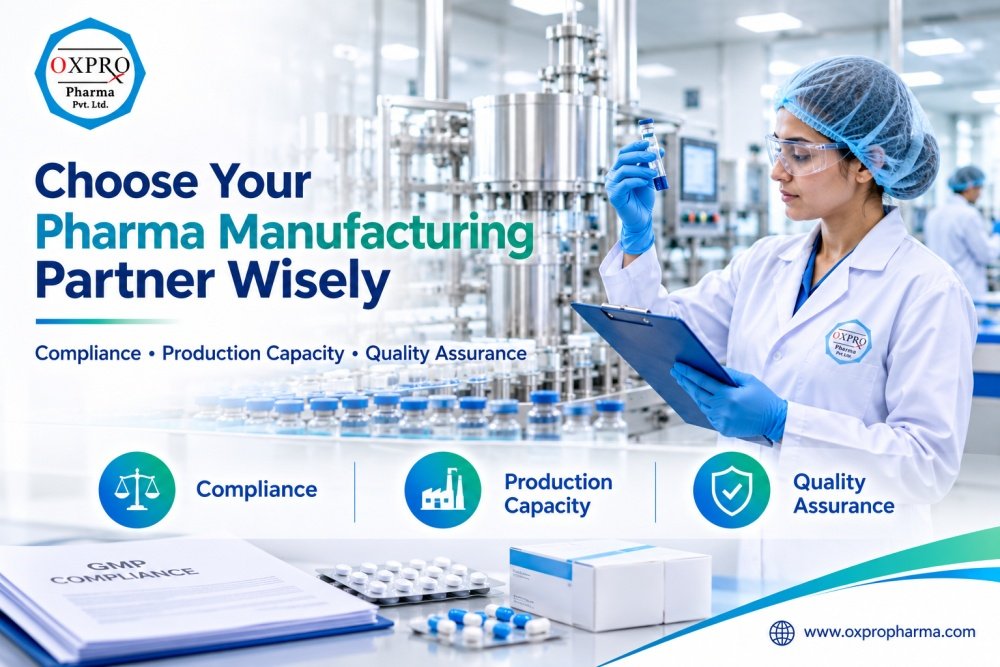
Evaluating Regulatory Compliance
One of the most critical aspects of choosing a pharma manufacturer is ensuring they comply with local and international regulatory standards. This includes certifications from bodies such as the FDA, WHO, and GMP. Manufacturers must adhere to stringent guidelines to ensure the safety and efficacy of pharmaceutical products.
– Insight: Verify the manufacturer’s certifications and audit history.
– Insight: Assess their track record in maintaining compliance with regulatory updates.
Interpretation: Ensuring regulatory compliance minimizes legal risks and ensures the quality of the pharmaceutical products, which is crucial for market acceptance and consumer safety.
Assessing Production Capacity and Capabilities
Understanding a manufacturer’s production capacity is vital to ensure they can meet your demand without compromising on quality. This involves evaluating their facilities, technology, and workforce.
– Real point: Analyze the manufacturer’s current production capacity and scalability.
– Real point: Evaluate the technology and processes used in manufacturing.
Interpretation: A manufacturer with adequate capacity and advanced technology can provide flexibility and efficiency, supporting business growth and adaptation to market changes.
Quality Assurance and Control Measures
Quality assurance is a non-negotiable aspect of pharmaceutical manufacturing. It involves rigorous testing and validation processes to ensure product consistency and safety.
– Real point: Investigate the manufacturer’s quality control processes and testing protocols.
– Real point: Review their history of product recalls or quality issues.
Interpretation: Robust quality assurance processes are essential to maintain product integrity and consumer trust, which are critical for long-term success in the pharmaceutical industry.
Implications for Stakeholders
For Startups
– Real implication: Startups can benefit from partnering with manufacturers that offer flexible production capabilities and support for small batch sizes.
– Real implication: Ensuring regulatory compliance from the outset can prevent costly delays and market entry barriers.
For Investors
– Real implication: Investors should prioritize manufacturers with a strong compliance record and scalable operations to ensure sustainable returns.
– Real implication: Quality assurance practices are a key indicator of a manufacturer’s reliability and potential for long-term partnerships.
For Policy Makers / Ecosystem
– Real implication: Encouraging transparency and stringent regulatory adherence can enhance the reputation of the pharmaceutical manufacturing sector.
– Real implication: Supporting innovation in manufacturing processes can drive industry growth and competitiveness.
Action Points
For Early-Stage Startups
– Specific actionable step: Conduct thorough due diligence on potential manufacturers’ compliance and quality assurance practices.
– Specific actionable step: Establish clear communication channels to ensure alignment on production expectations and timelines.
For Growth-Stage / Investors
– Specific actionable step: Invest in manufacturers with proven scalability and advanced technological capabilities.
– Specific actionable step: Monitor ongoing compliance and quality metrics to ensure continued alignment with business goals.

Frequently Asked Questions
1. What certifications should a pharma manufacturer have?
Manufacturers should have certifications from regulatory bodies like the FDA, WHO, and GMP to ensure compliance with international standards.
2. How can I assess a manufacturer’s production capacity?
Evaluate their facilities, technology, and workforce, and consider their ability to scale operations to meet your demand.
3. Why is quality assurance important in pharma manufacturing?
Quality assurance ensures product safety and consistency, which are critical for consumer trust and regulatory compliance.
4. What should I look for in a manufacturer’s compliance history?
Review their audit history, any past regulatory issues, and their ability to adapt to regulatory changes.
5. How do I ensure a manufacturer aligns with my business goals?
Establish clear communication and set expectations for production timelines, quality standards, and compliance requirements.