
Introduction:
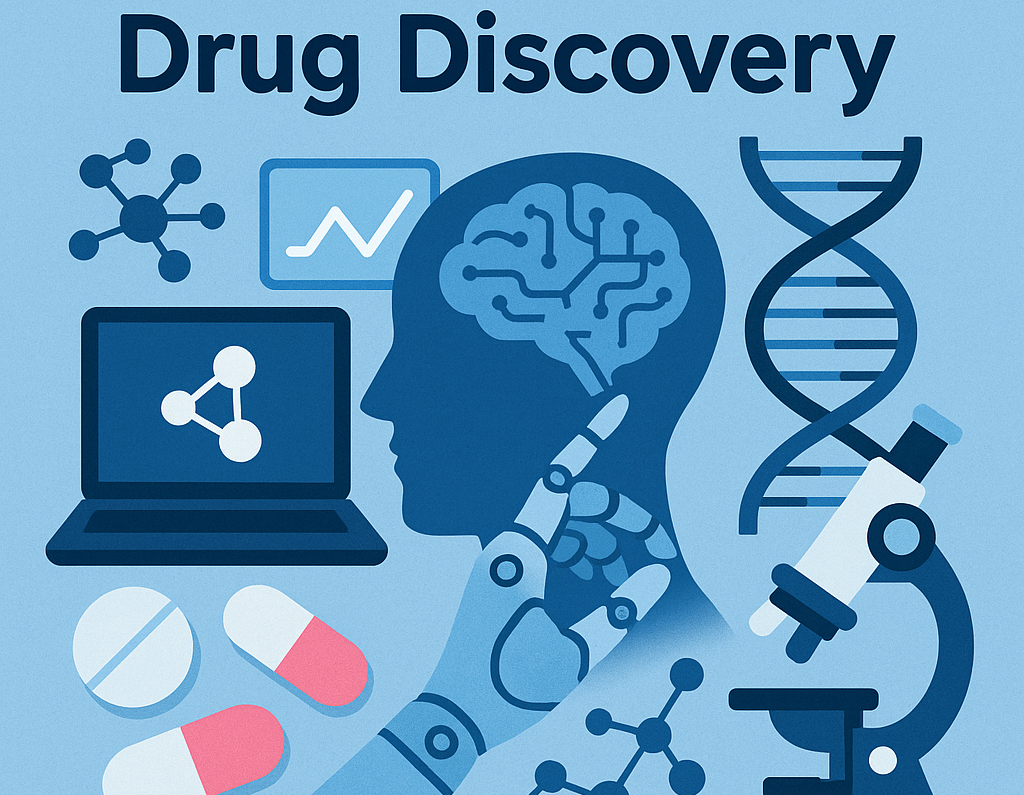
In recent years, the pharmaceutical industry has witnessed a paradigm shift with the integration of Artificial Intelligence (AI) in drug discovery. This transformation is not just a technological advancement but a necessity to address the growing challenges in drug development. The traditional methods of drug discovery are often time-consuming and costly, with a high rate of failure. AI offers a promising solution by enhancing the efficiency and accuracy of the drug discovery process. In this blog, we will explore the role of AI in drug discovery, its benefits, and its impact on the pharmaceutical industry.
AI has the potential to revolutionize the way drugs are discovered and developed. By leveraging machine learning algorithms and big data analytics, AI can analyze vast amounts of data to identify potential drug candidates more quickly and accurately than traditional methods. This capability is particularly crucial in the early stages of drug discovery, where identifying the right target and compound can significantly impact the success of the drug development process.
Moreover, AI can help in predicting the efficacy and safety of drug candidates, thereby reducing the risk of failure in clinical trials. This predictive capability is essential in ensuring that only the most promising drug candidates proceed to the costly and time-consuming clinical trial phase. As a result, AI not only accelerates the drug discovery process but also reduces the overall cost of drug development.
1. The Need for AI in Drug Discovery:
The traditional drug discovery process is fraught with challenges, including high costs, long timelines, and a high rate of failure. On average, it takes over a decade and billions of dollars to bring a new drug to market. AI addresses these challenges by streamlining the drug discovery process, reducing costs, and increasing the likelihood of success. By automating routine tasks and providing insights from complex data, AI enables researchers to focus on more strategic aspects of drug development.
2. AI Technologies Transforming Drug Discovery:
Several AI technologies are playing a pivotal role in transforming drug discovery. Machine learning algorithms, for instance, are used to analyze biological data and identify potential drug targets. Natural language processing (NLP) helps in mining scientific literature to extract relevant information. Additionally, AI-powered platforms can simulate drug interactions and predict their effects on the human body, providing valuable insights into drug efficacy and safety.
3. Real-World Examples of AI in Drug Discovery:
Numerous pharmaceutical companies and research institutions are leveraging AI to enhance their drug discovery efforts. For example, companies like BenevolentAI and Insilico Medicine are using AI to identify new drug candidates and repurpose existing drugs for new therapeutic uses. These companies have successfully identified promising drug candidates in areas such as oncology and neurodegenerative diseases, demonstrating the potential of AI to accelerate drug discovery.
4. The Impact of AI on Clinical Trials:
AI is not only transforming the early stages of drug discovery but also impacting clinical trials. By analyzing patient data, AI can identify suitable candidates for clinical trials, ensuring that trials are conducted more efficiently and effectively. AI can also monitor patient responses in real-time, providing valuable data that can be used to optimize trial protocols and improve patient outcomes.
5. Challenges and Future Prospects:
Despite its potential, the integration of AI in drug discovery is not without challenges. Issues such as data privacy, algorithm transparency, and the need for regulatory frameworks must be addressed to fully realize the benefits of AI. However, with ongoing advancements in AI technology and increasing collaboration between the tech and pharma industries, the future of AI in drug discovery looks promising.
Conclusion:
AI is poised to revolutionize the drug discovery process, offering a faster, more cost-effective, and accurate approach to developing new drugs. By addressing the challenges of traditional drug discovery methods, AI is paving the way for a new era in pharmaceutical research and development. As the technology continues to evolve, it will undoubtedly play an increasingly important role in bringing innovative therapies to patients worldwide.
FAQs:
1. How does AI improve the drug discovery process?
AI improves the drug discovery process by analyzing large datasets to identify potential drug candidates more quickly and accurately. It automates routine tasks, provides insights from complex data, and predicts the efficacy and safety of drug candidates, reducing the risk of failure in clinical trials.
2. What are some examples of AI technologies used in drug discovery?
AI technologies used in drug discovery include machine learning algorithms for data analysis, natural language processing for mining scientific literature, and AI-powered platforms for simulating drug interactions and predicting their effects on the human body.
3. How is AI impacting clinical trials?
AI impacts clinical trials by analyzing patient data to identify suitable candidates, ensuring trials are conducted more efficiently. It also monitors patient responses in real-time, providing data to optimize trial protocols and improve patient outcomes.
4. What challenges does AI face in drug discovery?
Challenges include data privacy concerns, algorithm transparency, and the need for regulatory frameworks. Addressing these issues is crucial for fully realizing the benefits of AI in drug discovery.
5. What is the future of AI in drug discovery?
The future of AI in drug discovery is promising, with ongoing advancements in technology and increasing collaboration between the tech and pharma industries. AI is expected to play an increasingly important role in developing innovative therapies and bringing them to market more efficiently.