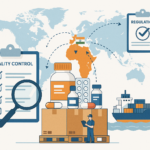

In the rapidly evolving pharmaceutical industry, maintaining high standards of quality and compliance is not just a regulatory requirement but a critical component for success. In India, where the pharmaceutical sector is a significant contributor to the economy, certifications play a pivotal role in ensuring that companies adhere to international and national standards. These certifications not only enhance the credibility of pharmaceutical companies but also ensure the safety and efficacy of the products they manufacture. This blog will explore the top certifications that every pharmaceutical company in India must have to thrive in this competitive landscape.
WHO-GMP Certification: Ensuring Global Standards
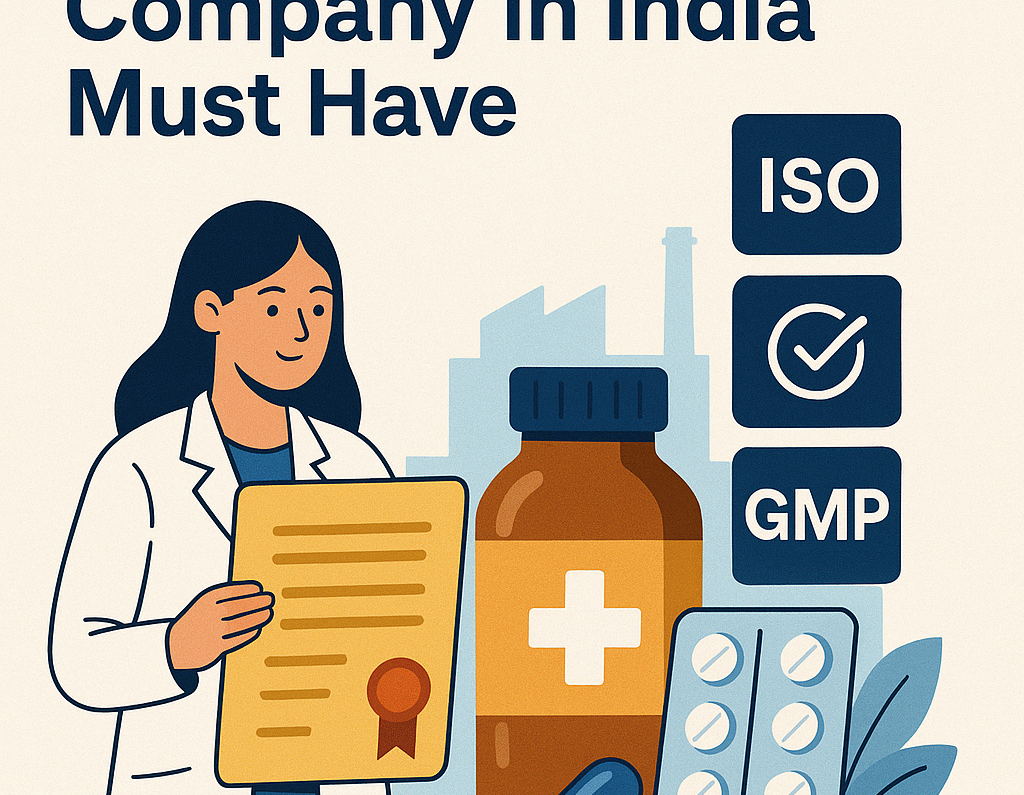
The World Health Organization’s Good Manufacturing Practices (WHO-GMP) certification is a must-have for pharmaceutical companies aiming to export their products globally. This certification ensures that products are consistently produced and controlled according to quality standards. It covers all aspects of production, from the raw materials to the hygiene of staff. In India, obtaining WHO-GMP certification is a testament to a company’s commitment to quality and safety.
ISO Pharma Certification: A Mark of Quality
ISO certifications, such as ISO 9001, are crucial for pharmaceutical companies in India. These certifications demonstrate a company’s ability to consistently provide products that meet customer and regulatory requirements. ISO certifications are recognized worldwide and can significantly enhance a company’s reputation and marketability. They also help in streamlining processes and improving efficiency.
DCGI Approval: Navigating Regulatory Compliance
The Drug Controller General of India (DCGI) approval is essential for any pharmaceutical product to be marketed in India. This approval ensures that the product is safe, effective, and of high quality. The DCGI is responsible for the approval of new drugs, clinical trials, and the import of drugs. Companies must adhere to stringent guidelines to obtain DCGI approval, which is a critical step in ensuring compliance with Indian regulations.
Pharma Compliance in India: Adhering to National Standards
Compliance with national standards is crucial for pharmaceutical companies operating in India. This includes adhering to the guidelines set by the Central Drugs Standard Control Organization (CDSCO) and other regulatory bodies. Compliance ensures that companies meet the legal and ethical standards required to operate in the pharmaceutical industry. It also helps in avoiding legal issues and maintaining a good reputation.
GMP Guidelines in India: Maintaining Quality Assurance
Good Manufacturing Practices (GMP) guidelines are essential for maintaining quality assurance in the pharmaceutical industry. These guidelines cover all aspects of production, from the procurement of raw materials to the distribution of finished products. In India, GMP guidelines are enforced by the CDSCO, and compliance is mandatory for all pharmaceutical companies. Adhering to GMP guidelines ensures that products are safe, effective, and of high quality.
Certified Pharma Companies in India: Leading the Way
Certified pharmaceutical companies in India are leading the way in maintaining high standards of quality and compliance. These companies have obtained various certifications and approvals, demonstrating their commitment to excellence. Being a certified company not only enhances credibility but also opens up opportunities for growth and expansion in both domestic and international markets.
In conclusion, certifications are an integral part of the pharmaceutical industry in India. They ensure that companies adhere to high standards of quality and compliance, which is essential for the safety and efficacy of pharmaceutical products. Obtaining certifications such as WHO-GMP, ISO, and DCGI approval can significantly enhance a company’s reputation and marketability. As the pharmaceutical industry continues to grow, companies must prioritize obtaining these certifications to remain competitive and successful.
FAQs:
What is WHO-GMP certification, and why is it important?
WHO-GMP certification ensures that pharmaceutical products are consistently produced and controlled according to quality standards. It is important because it enhances a company’s credibility and allows for the export of products globally.
How does ISO certification benefit pharmaceutical companies?
ISO certification demonstrates a company’s ability to consistently provide products that meet customer and regulatory requirements. It enhances reputation, streamlines processes, and improves efficiency.
What is the role of DCGI in the pharmaceutical industry?
The DCGI is responsible for the approval of new drugs, clinical trials, and the import of drugs in India. DCGI approval ensures that products are safe, effective, and of high quality.
Why is compliance with GMP guidelines important?
Compliance with GMP guidelines ensures that pharmaceutical products are safe, effective, and of high quality. It covers all aspects of production and is mandatory for all pharmaceutical companies in India.
How do certifications impact the growth of pharmaceutical companies?
Certifications enhance a company’s credibility and marketability, opening up opportunities for growth and expansion in both domestic and international markets.