
Executive Summary
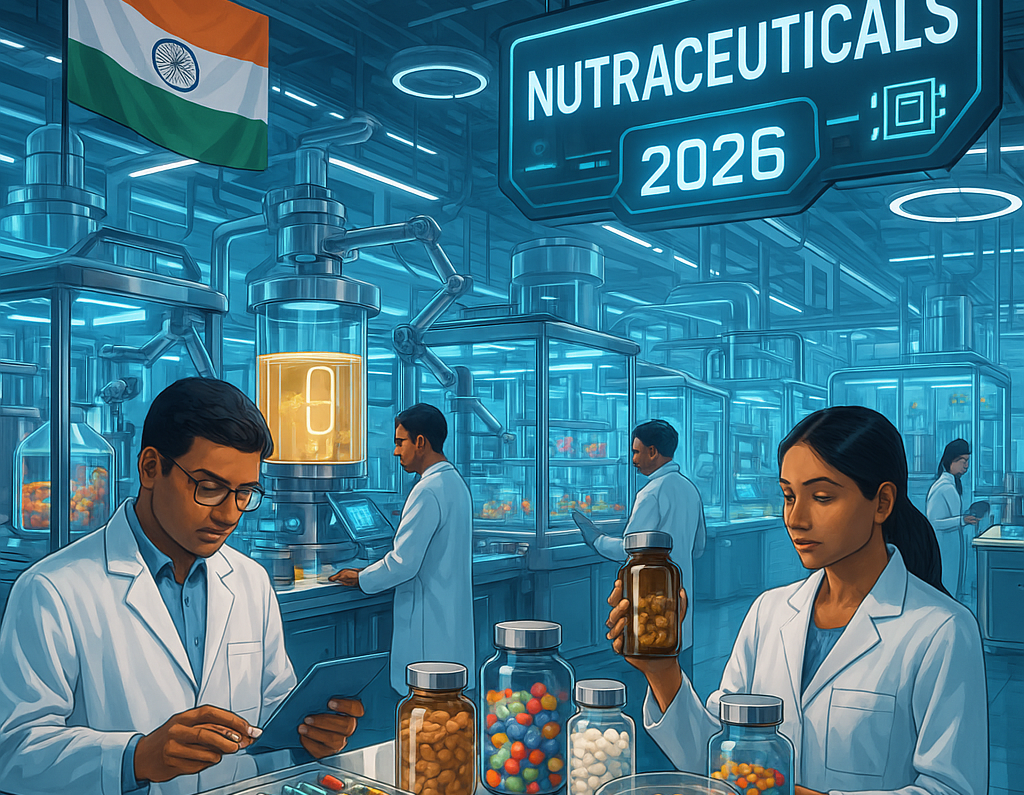
The nutraceutical industry is poised for significant growth by 2026, driven by increasing consumer awareness of health and wellness, advancements in manufacturing technologies, and evolving regulatory landscapes. This report explores the key trends shaping the industry, including market expansion, innovation in supplements, and regulatory changes. Understanding these trends is crucial for stakeholders to navigate the competitive landscape and capitalize on emerging opportunities.
Market Expansion and Growth
The global nutraceutical market is expected to witness robust growth, with a projected CAGR of over 7% from 2021 to 2026. This expansion is fueled by rising consumer demand for functional foods and dietary supplements that promote health and prevent diseases. In India, the nutraceutical sector is experiencing rapid growth due to increasing health consciousness and disposable incomes.
Consumer Trends: There is a growing preference for natural and organic products, with consumers seeking transparency in labeling and sourcing.
Technological Advancements: Innovations in extraction and formulation technologies are enhancing product efficacy and bioavailability.
Interpretation: Companies must invest in R&D to develop innovative products that meet consumer demands for natural and effective solutions.
Innovation in Supplements
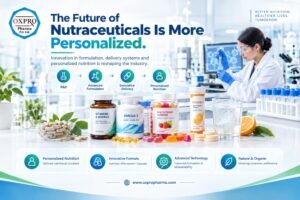
The supplement segment is undergoing a transformation with the introduction of personalized nutrition and novel delivery systems. Advances in biotechnology and data analytics are enabling manufacturers to create customized supplements tailored to individual health needs.
Personalized Nutrition: Leveraging genetic and microbiome data to offer personalized dietary recommendations.
Delivery Systems: Development of new delivery formats such as gummies, effervescent tablets, and nano-encapsulation to improve consumer compliance.
Interpretation: Embracing personalization and innovative delivery methods can differentiate brands and enhance consumer engagement.
Regulatory Landscape
Regulatory frameworks are evolving to ensure product safety and efficacy, with stricter guidelines on labeling, claims, and ingredient sourcing. In India, the Food Safety and Standards Authority of India (FSSAI) is playing a pivotal role in shaping the regulatory environment.
Compliance: Manufacturers must adhere to stringent quality standards and documentation requirements.
Global Harmonization: Efforts are underway to align regulations across regions to facilitate international trade.
Interpretation: Staying abreast of regulatory changes is essential for compliance and market access, particularly for exporters.
Implications for Stakeholders
For Startups
– Leverage technological advancements to create innovative products.
– Focus on niche markets and personalized nutrition to gain a competitive edge.
For Investors
– Invest in companies with strong R&D capabilities and a focus on sustainability.
– Monitor regulatory developments to assess risks and opportunities.
For Policy Makers / Ecosystem
– Support initiatives that promote research and innovation in the nutraceutical sector.
– Facilitate collaboration between academia, industry, and regulatory bodies.
Action Points
For Early-Stage Startups
– Conduct market research to identify emerging consumer trends.
– Develop partnerships with technology providers to enhance product offerings.
For Growth-Stage / Investors
– Expand product portfolios to include personalized and innovative supplements.
– Strengthen supply chain resilience to mitigate regulatory and market risks.

Frequently Asked Questions
1. What are the key drivers of growth in the nutraceutical industry?
The primary drivers include increasing health awareness, technological advancements, and favorable regulatory environments.
2. How is personalized nutrition impacting the market?
Personalized nutrition is enabling manufacturers to offer tailored solutions, enhancing consumer satisfaction and brand loyalty.
3. What regulatory challenges do nutraceutical manufacturers face?
Manufacturers must navigate complex regulations related to product safety, labeling, and claims, which vary across regions.
4. How can startups compete in the nutraceutical market?
Startups can focus on innovation, niche markets, and strategic partnerships to differentiate themselves and capture market share.
5. What role does technology play in supplement innovation?
Technology is crucial for developing new delivery systems and enhancing the bioavailability and efficacy of supplements.