
Executive Summary
The antibiotic manufacturing industry in India is a critical component of the global pharmaceutical supply chain. As one of the largest producers of generic drugs, India plays a pivotal role in ensuring the availability of affordable antibiotics worldwide. This report explores the types of antibiotics manufactured, the processes involved, and the regulatory framework governing the industry. Understanding these elements is crucial for stakeholders, including manufacturers, investors, and policymakers, to navigate the complexities of the market and capitalize on opportunities for growth and innovation.
Technical Analysis
Types of Antibiotics Manufactured in India
India produces a wide range of antibiotics, including penicillins, cephalosporins, macrolides, and fluoroquinolones. These antibiotics are essential for treating various bacterial infections and are exported globally. The diversity in production allows India to meet both domestic and international demand effectively.
Interpretation:
The variety of antibiotics manufactured in India positions the country as a versatile player in the global pharmaceutical market, capable of adapting to changing healthcare needs and demands.
Manufacturing Process of Antibiotics
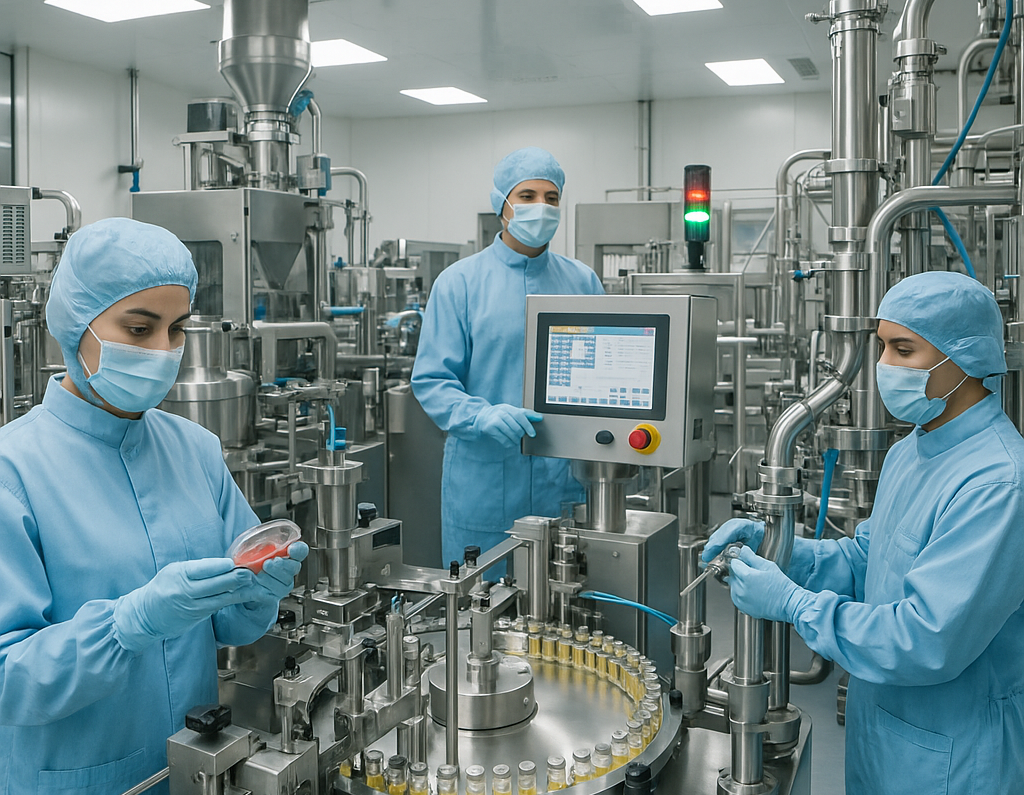
The manufacturing process of antibiotics involves several stages, including fermentation, extraction, purification, and formulation. Advanced technologies and stringent quality control measures are employed to ensure the efficacy and safety of the final products. Indian manufacturers have increasingly adopted automation and digitalization to enhance production efficiency and reduce costs.
Interpretation:
The integration of modern technologies in manufacturing processes enhances the competitiveness of Indian antibiotic manufacturers, enabling them to maintain high standards and meet international quality benchmarks.

Regulatory Framework Governing Antibiotic Manufacturing
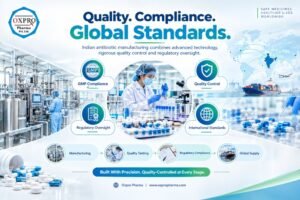
The regulatory environment in India is governed by the Central Drugs Standard Control Organization (CDSCO) and the Drug Controller General of India (DCGI). These bodies ensure compliance with Good Manufacturing Practices (GMP) and oversee the approval and monitoring of antibiotic production. Recent regulatory reforms aim to streamline processes and encourage innovation while maintaining safety standards.
Interpretation:
A robust regulatory framework ensures that Indian antibiotic manufacturers adhere to international standards, fostering trust and reliability in their products among global consumers.
Implications for Stakeholders
For Startups
– Opportunities exist in niche antibiotic segments and innovative drug delivery systems.
– Navigating regulatory requirements is crucial for market entry and sustainability.
For Investors
– The growing demand for antibiotics presents lucrative investment opportunities.
– Understanding regulatory changes can mitigate risks and enhance investment decisions.
For Policy Makers / Ecosystem
– Supporting R&D initiatives can drive innovation and competitiveness.
– Strengthening regulatory frameworks can enhance global market access.
Action Points
For Early-Stage Startups
– Focus on developing unique formulations or delivery mechanisms.
– Engage with regulatory bodies early to ensure compliance.
For Growth-Stage / Investors
– Invest in technology upgrades to improve manufacturing efficiency.
– Monitor regulatory trends to anticipate market shifts.
Frequently Asked Questions
1. What types of antibiotics are primarily manufactured in India?
India manufactures a wide range of antibiotics, including penicillins, cephalosporins, and macrolides, catering to both domestic and international markets.
2. How does the manufacturing process ensure the quality of antibiotics?
The process involves stringent quality control measures at each stage, from fermentation to formulation, ensuring the efficacy and safety of the antibiotics.
3. What role do regulatory bodies play in antibiotic manufacturing in India?
Regulatory bodies like CDSCO and DCGI ensure compliance with GMP and oversee the approval and monitoring of antibiotic production to maintain safety standards.
4. What opportunities exist for startups in the antibiotic manufacturing sector?
Startups can explore niche segments and innovative drug delivery systems, leveraging India’s robust manufacturing capabilities and regulatory support.
5. How can investors benefit from the antibiotic manufacturing industry in India?
Investors can capitalize on the growing demand for antibiotics and the competitive advantage of Indian manufacturers in the global market.