
Executive Summary
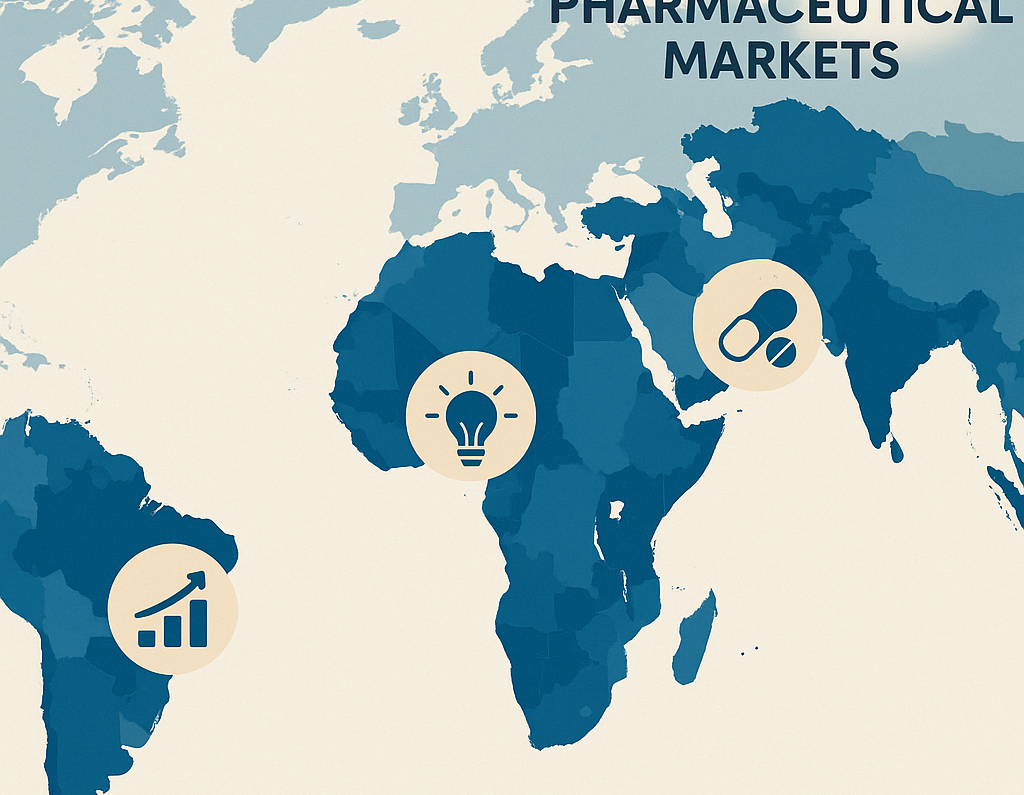
The global pharmaceutical industry is witnessing a significant shift towards emerging markets, particularly in regions such as Africa, the Middle East, Asia, and Latin America. These regions are experiencing rapid economic growth, increased healthcare spending, and a rising demand for pharmaceutical products. This trend presents lucrative opportunities for exporters looking to expand their market reach. Understanding the dynamics of these markets is crucial for strategic planning and investment decisions. Key implications include the need for tailored market entry strategies, partnerships with local entities, and compliance with regional regulatory frameworks.
Technical Analysis
Growth Potential in Africa
Africa’s pharmaceutical market is projected to grow significantly by 2026, driven by urbanization, a growing middle class, and increased healthcare investments. Countries like Nigeria, South Africa, and Kenya are at the forefront of this growth.
– Urbanization and Middle-Class Expansion: The rapid urbanization and expansion of the middle class in Africa are leading to increased demand for healthcare services and pharmaceutical products.
– Healthcare Investments: Governments and private sectors are investing heavily in healthcare infrastructure, creating a conducive environment for pharmaceutical growth.
Interpretation: Exporters should focus on establishing distribution networks and partnerships with local healthcare providers to capitalize on Africa’s growing market.
Opportunities in the Middle East
The Middle East is experiencing a surge in pharmaceutical demand due to its strategic location, economic diversification, and healthcare reforms.
– Strategic Location: The Middle East serves as a gateway between Europe and Asia, offering logistical advantages for exporters.
– Healthcare Reforms: Countries like Saudi Arabia and the UAE are implementing healthcare reforms to improve access and quality, boosting pharmaceutical demand.
Interpretation: Exporters should leverage the Middle East’s strategic location and engage in joint ventures with local firms to navigate regulatory landscapes effectively.
Asia’s Expanding Market
Asia, particularly China and India, continues to be a powerhouse in pharmaceutical manufacturing and consumption.
– Manufacturing Hub: India and China are leading manufacturers of generic drugs, providing cost-effective solutions for global markets.
– Rising Consumption: The increasing prevalence of chronic diseases and an aging population are driving pharmaceutical consumption in Asia.
Interpretation: Exporters should consider sourcing from Asia to benefit from cost efficiencies and explore market entry strategies that address local consumer needs.

Implications for Stakeholders
For Startups
– Startups should focus on niche markets within these regions to establish a foothold and gradually expand their product offerings.
– Collaborating with local partners can provide valuable market insights and facilitate smoother market entry.
For Investors
– Investors should consider funding companies that are strategically positioned in these emerging markets, as they offer high growth potential.
– Diversifying investments across multiple regions can mitigate risks associated with market volatility.
For Policy Makers / Ecosystem
– Policymakers should create favorable regulatory environments to attract foreign investments and support local pharmaceutical industries.
– Encouraging public-private partnerships can enhance healthcare infrastructure and service delivery.
Action Points
For Early-Stage Startups
– Conduct thorough market research to identify specific opportunities and challenges in each region.
– Develop a robust regulatory compliance strategy to navigate local laws and regulations.
For Growth-Stage / Investors
– Establish strategic alliances with local distributors and healthcare providers to enhance market penetration.
– Invest in technology and innovation to improve supply chain efficiency and product quality.

Frequently Asked Questions
1. What are the key factors driving pharmaceutical growth in emerging markets?
Economic growth, increased healthcare spending, and urbanization are major drivers.
2. How can exporters effectively enter these markets?
By forming partnerships with local entities and understanding regional regulations.
3. What challenges do exporters face in these regions?
Regulatory compliance, cultural differences, and logistical challenges are common hurdles.
4. Which countries in Africa offer the most potential for pharmaceutical exports?
Nigeria, South Africa, and Kenya are among the top contenders.
5. How important is regulatory compliance in these markets?
It is crucial, as non-compliance can lead to legal issues and hinder market entry.