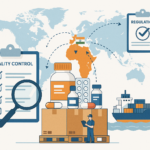


The pharmaceutical supply chain is a complex and critical component of the healthcare industry, ensuring that life-saving medications reach patients around the world. However, this intricate network faces numerous challenges that can disrupt the timely and efficient delivery of pharmaceuticals. From regulatory hurdles to logistical bottlenecks, the global pharma supply chain must navigate a myriad of obstacles to maintain its integrity and reliability. In this blog, we will explore the key challenges faced by the pharmaceutical supply chain and discuss innovative solutions that can help overcome these issues, with a focus on how Oxpro Pharma is leading the way in ensuring supply chain reliability.
Regulatory Challenges in the Pharmaceutical Supply Chain
The pharmaceutical industry is heavily regulated to ensure the safety and efficacy of medications. However, navigating the complex web of regulations across different countries can be daunting. Each region has its own set of rules regarding drug approval, manufacturing standards, and distribution practices. This regulatory diversity can lead to delays in getting products to market and increase the cost of compliance. To address these challenges, pharmaceutical companies must invest in robust regulatory affairs teams and leverage technology to streamline compliance processes.
Logistical Bottlenecks and Delays
The global nature of the pharmaceutical supply chain means that products often travel long distances before reaching their final destination. This can lead to logistical bottlenecks, especially when dealing with perishable goods that require temperature-controlled environments. Delays in transportation can result in product spoilage, leading to significant financial losses. To mitigate these risks, companies are adopting advanced logistics solutions, such as real-time tracking systems and predictive analytics, to optimize their supply chain operations.
Storage and Cold Chain Management
Many pharmaceuticals require specific storage conditions to maintain their efficacy. Cold chain management is crucial for products like vaccines and biologics, which must be kept within a narrow temperature range. Any deviation from these conditions can render the products ineffective. To ensure proper storage, pharmaceutical companies are investing in state-of-the-art facilities equipped with temperature monitoring systems and backup power supplies. Additionally, partnerships with specialized logistics providers can enhance cold chain capabilities.
Supply Chain Resilience and Risk Management
The COVID-19 pandemic highlighted the vulnerabilities in the global supply chain, prompting companies to reassess their risk management strategies. Building a resilient supply chain involves diversifying suppliers, increasing inventory levels, and implementing contingency plans for unforeseen disruptions. By adopting a proactive approach to risk management, pharmaceutical companies can better withstand future challenges and ensure the continuous supply of essential medications.
Oxpro Pharma: Ensuring Reliability in the Pharma Supply Chain
Oxpro Pharma has emerged as a leader in addressing the challenges of the pharmaceutical supply chain. By leveraging cutting-edge technology and fostering strategic partnerships, Oxpro Pharma ensures the timely and efficient delivery of medications to patients worldwide. Their commitment to quality and innovation has set a new standard for reliability in the industry, making them a trusted partner for healthcare providers and patients alike.
Conclusion
The pharmaceutical supply chain is a vital component of the healthcare ecosystem, but it faces numerous challenges that can impact its efficiency and reliability. By understanding these challenges and implementing innovative solutions, companies can enhance their supply chain operations and ensure the continuous delivery of life-saving medications. Oxpro Pharma’s dedication to excellence and innovation serves as a model for others in the industry, demonstrating that with the right strategies, the pharmaceutical supply chain can overcome any obstacle.
FAQs:
What are the main challenges in the pharmaceutical supply chain?
The main challenges include regulatory compliance, logistical bottlenecks, storage and cold chain management, and supply chain resilience. Each of these factors can impact the timely and efficient delivery of pharmaceuticals.
How do regulatory challenges affect the pharmaceutical supply chain?
Regulatory challenges can lead to delays in product approval and increase compliance costs. Navigating different regulations across countries requires robust regulatory affairs teams and technology to streamline processes.
What solutions are available for managing cold chain logistics?
Solutions include investing in temperature-controlled storage facilities, using real-time temperature monitoring systems, and partnering with specialized logistics providers to ensure proper cold chain management.
How can companies build a resilient pharmaceutical supply chain?
Companies can build resilience by diversifying suppliers, increasing inventory levels, and implementing contingency plans for disruptions. Proactive risk management is key to maintaining supply chain integrity.
What role does Oxpro Pharma play in the pharmaceutical supply chain?
Oxpro Pharma is a leader in ensuring supply chain reliability through technology and strategic partnerships. Their commitment to quality and innovation sets a high standard for the industry.